
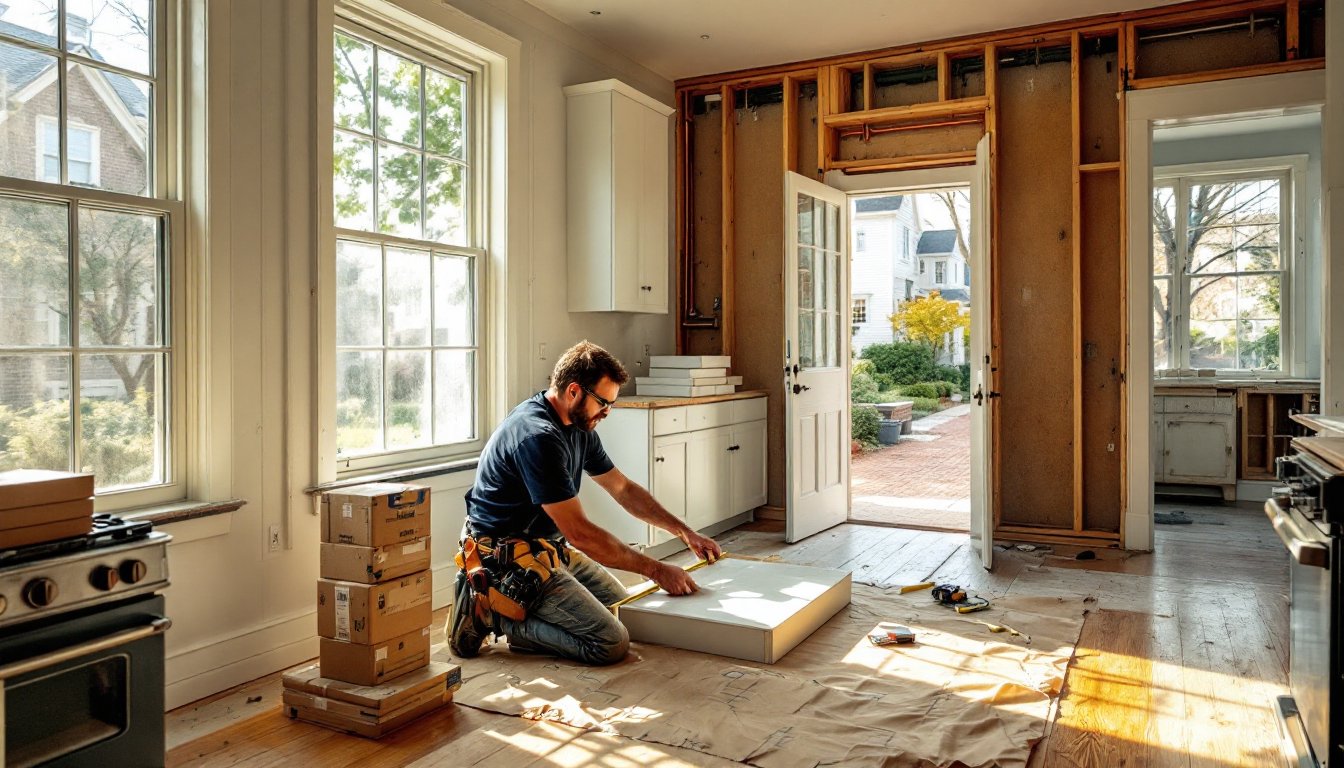
Alexandria homeowners are sitting on solid real estate with growing equity, but many properties in the area need updates to match modern expectations. Whether it’s a Colonial with original 1960s fixtures or a townhouse with a cramped galley kitchen, remodeling projects can drastically improve livability and resale value. The local market rewards well-executed renovations, especially those that address functional shortcomings while preserving neighborhood character. This guide walks through the most impactful remodeling projects, budget planning, permit navigation, and when to call in professionals versus rolling up your sleeves for DIY work.
Table of Contents
ToggleKey Takeaways
- Alexandria home remodeling projects, especially kitchen and bathroom renovations, can recoup 60-80% of costs at resale while improving daily functionality in aging homes built between the 1940s-1970s.
- Kitchen renovations command the highest ROI by opening floor plans, updating cabinets ($100-$650 per linear foot), and installing modern countertops like quartz ($50-$120 per square foot).
- Budget realistic expenses of $25,000-$75,000 for full kitchen remodels and $10,000-$30,000 for bathroom upgrades, allocating 40% for labor, 30% for materials, and 10% for contingencies in Alexandria’s high-cost market.
- All structural, electrical, and plumbing work requires permits through the Alexandria Department of Code Administration; historic district and HOA restrictions may add 4-8 weeks to approval timelines.
- Hire licensed contractors for technical work like load-bearing wall removal and HVAC installation, but DIY-friendly projects like painting, flooring, and backsplash tiling can save significant labor costs.
- Alexandria’s walkable neighborhoods and strong real estate market reward modern updates that address code compliance, improve energy efficiency, and create functional spaces for remote work and contemporary living.
Why Alexandria Homeowners Are Investing in Remodeling Projects
Property values in Alexandria have climbed steadily, making renovations a smart financial move for long-term residents and recent buyers alike. Many homes in the Old Town, Del Ray, and seminary neighborhoods were built between the 1940s and 1970s, meaning outdated electrical systems, single-pane windows, and inefficient HVAC are common pain points.
Remodeling addresses both comfort and code compliance. Older homes often lack GFCI outlets in bathrooms and kitchens, proper ventilation in enclosed spaces, or adequate insulation. Upgrading these systems improves safety and energy efficiency while bringing properties in line with current IRC (International Residential Code) standards.
The local market also rewards specific improvements. Open floor plans, updated kitchens, and finished basements consistently yield higher appraisals. Buyers touring Alexandria homes expect modern finishes, and outdated spaces sit on the market longer. For homeowners planning to stay put, remodeling removes daily frustrations, think cramped master baths or kitchens without counter space for meal prep.
Another driver: remote work has changed how people use their homes. Basements and spare bedrooms are being converted into offices, and outdoor living spaces like decks and patios are getting more attention. Alexandria’s walkable neighborhoods make homes desirable, but interiors need to function for today’s lifestyle.
Most Popular Home Remodeling Projects in Alexandria
Kitchen Renovations That Add Value
Kitchen remodels top the list for Alexandria homeowners, and for good reason, they’re where families spend the most time and where buyers focus their attention during showings. A well-executed kitchen renovation can recoup 60-80% of its cost at resale, depending on the scope.
Start with layout. Many older Alexandria homes have closed-off kitchens separated from dining and living areas. Removing a non-load-bearing wall (confirm with a structural engineer if unsure) opens sightlines and creates a more functional flow. If the wall is load-bearing, install a laminated veneer lumber (LVL) beam to carry the load, this requires a permit and usually a licensed contractor.
Cabinet replacement drives the biggest visual change. Stock cabinets from big-box stores run $100-$300 per linear foot installed, while semi-custom options range $150-$650. Face-frame construction is standard in traditional homes: frameless (European-style) cabinets maximize interior space but suit modern aesthetics better. If cabinets are structurally sound, refacing or painting them costs a fraction of replacement.
Countertops matter. Quartz dominates the mid-to-high-end market ($50-$120 per square foot installed) because it’s non-porous and low-maintenance. Granite ($40-$100 per square foot) remains popular but requires periodic sealing. Laminate works for budget remodels ($20-$50 per square foot) and modern patterns look far better than the old Formica aesthetic.
Don’t overlook appliances and lighting. Swapping builder-grade appliances for mid-tier stainless models improves both function and resale appeal. Under-cabinet LED strips and recessed cans (on dimmer switches) modernize the space without major electrical work, though you’ll want IC-rated housings if installing in insulated ceilings.
Bathroom Upgrades for Modern Living
Bathrooms rank second for ROI and impact. Alexandria homes often have small, compartmentalized baths with pedestal sinks, fiberglass tub surrounds, and inadequate storage. Modernizing these spaces improves daily routines and appeals to buyers who expect spa-like features.
Vanity replacement is the easiest win. A 36-inch or 48-inch vanity with undermount sinks and soft-close drawers costs $400-$1,200 and transforms the room. Pair it with a frameless mirror and sconce lighting on dimmer switches for a clean, current look.
Shower and tub updates vary in complexity. Ripping out a tub-shower combo and installing a curbless walk-in shower requires rerouting plumbing and ensuring proper slope (minimum 1/4 inch per foot) for drainage. This is not a beginner DIY project, hire a licensed plumber and tile setter unless you’ve done it before. If keeping the tub, re-tile the surround with 12×24-inch porcelain or ceramic tile instead of the dated 4×4 grid.
Ventilation is code in Alexandria. Install a bathroom exhaust fan rated for the room’s cubic footage (typically 50-80 CFM for a standard bath). Run the duct to exterior soffits, never into the attic, to prevent moisture buildup and mold. Some models include humidity sensors that auto-activate.
Flooring should be water-resistant. Luxury vinyl plank (LVP) mimics hardwood or tile, installs as a floating floor, and costs $2-$7 per square foot. Porcelain tile ($3-$10 per square foot) is classic and durable but requires a mortar bed and grout sealing.
Planning Your Alexandria Remodeling Budget
Setting a realistic budget prevents mid-project sticker shock. Remodeling costs in Alexandria run higher than the national average due to labor rates, permitting fees, and material transport into the metro area.
For kitchens, expect $25,000-$75,000 for a full renovation in a 150-200 square foot space. That includes cabinets, countertops, appliances, flooring, lighting, and labor. High-end finishes or structural changes (moving plumbing, adding windows) push totals past $100,000. Bathroom remodels range $10,000-$30,000 for a standard 5×8 space, more if expanding the footprint or adding radiant floor heating.
Break your budget into categories: 40% for labor, 30% for materials, 20% for fixtures and finishes, and 10% contingency. That contingency isn’t optional, rotted subfloors, outdated wiring, and hidden plumbing issues crop up in older homes.
Get three quotes from licensed contractors for major work. Bids should itemize labor, materials, permit fees, and timelines. Watch for vague line items like “miscellaneous” or “allowances”, those turn into change orders later. Many homeowners use cost estimators and project planning guides to benchmark pricing before reaching out to contractors.
Financing options include home equity loans, HELOCs, or cash-out refinancing. Interest rates fluctuate, so compare terms carefully. Some contractors offer payment plans, but read the fine print, deferred interest can sting if you don’t pay off the balance in time.
Navigating Alexandria Permits and Regulations
Alexandria enforces building codes strictly, and working without permits risks fines, failed inspections during resale, or being forced to tear out completed work. The city follows the Virginia Uniform Statewide Building Code (USBC), which adopts the IRC with local amendments.
Permits are required for structural changes (removing or altering walls), electrical work beyond replacing fixtures, plumbing alterations, HVAC installation, and additions or exterior modifications. Cosmetic updates like painting, new flooring over existing subfloors, or swapping cabinet hardware don’t need permits.
File permit applications through the Alexandria Department of Code Administration. Expect $100-$500 in permit fees depending on project scope, plus plan review fees for complex work. Submit detailed drawings showing existing conditions and proposed changes, hand sketches work for minor projects, but structural modifications need stamped engineer’s drawings.
Inspections happen at key milestones: rough framing, rough electrical and plumbing, insulation, and final. Schedule inspections 24-48 hours in advance and don’t cover up work until it’s signed off. Failed inspections delay timelines and cost money to correct.
Historic district restrictions apply in Old Town and parts of Parker-Gray. The Board of Architectural Review (BAR) must approve exterior changes, including window replacement, siding, roofing, and additions visible from the street. Submit applications with photos, drawings, and material samples. Approval takes 4-8 weeks, sometimes longer for controversial projects.
Homeowner associations (HOAs) add another layer. Review covenants before starting work, some require pre-approval for paint colors, roofing materials, or exterior alterations. HOA violations can result in fines or forced removal of non-compliant work.
Choosing Between DIY and Professional Contractors
Deciding what to tackle yourself versus hiring out depends on skill level, tool access, and project complexity. Cosmetic updates like painting, installing trim, or replacing light fixtures are excellent DIY projects. Structural, electrical, and plumbing work typically require licensed professionals.
DIY-friendly projects include cabinet painting, backsplash tiling (smaller formats are more forgiving), vanity installation (if plumbing hookups are straightforward), and vinyl plank flooring. These save on labor costs and build skills. Expect to invest in tools: a compound miter saw ($200-$400), cordless drill/driver combo ($100-$200), wet tile saw rental ($50/day), and basic hand tools. Safety gear is non-negotiable, impact-rated safety glasses, N95 masks for cutting or sanding, hearing protection for power tools, and work gloves.
Hire professionals for load-bearing wall removal, electrical panel upgrades, gas line work, HVAC installation, and complex tile work (large-format tile, intricate patterns). Licensed contractors carry insurance, pull permits, and guarantee their work. Alexandria requires Class A or Class B contractor licenses for work over $1,000: verify credentials through the Virginia Department of Professional and Occupational Regulation.
Vetting contractors takes effort. Ask for references and visit completed projects if possible. Check reviews on contractor platforms and cost guides to compare pricing and feedback. Verify they’re licensed, insured, and bonded. Get contracts in writing with payment schedules tied to milestones, never pay the full amount upfront.
General contractors coordinate subcontractors (electricians, plumbers, tile setters) and manage the schedule. They charge 15-25% of total project cost but save you from juggling multiple trades. For smaller projects, hiring subs directly cuts costs but requires more hands-on project management.
Some homeowners split the difference: hire pros for technical work and DIY finishes. A plumber roughs in new lines, then the homeowner installs the vanity and faucet. An electrician runs circuits, the homeowner hangs light fixtures. This approach works if you’re comfortable with finish work and have time to coordinate.
Before signing contracts, clarify who’s responsible for cleanup, how change orders are handled, and what happens if timelines slip. Good contractors communicate proactively and treat your home with respect. If something feels off during the bidding process, vague estimates, pressure tactics, no references, walk away. Using resources like project reviews and hiring guides helps homeowners make informed decisions when selecting contractors.
Alexandria’s strong real estate market and aging housing stock make remodeling both practical and profitable. Whether opening up a kitchen, modernizing a bath, or adding livable space, thoughtful planning and execution pay off in comfort, functionality, and resale value. Know when to DIY, when to hire, and always follow local codes, the results will be worth the effort.