The bathroom vanity isn’t just a storage box with a sink anymore, it’s the anchor that sets the tone for the entire room. Whether you’re planning a full remodel or swapping out a dated cabinet, choosing the right color can shift a space from forgettable to striking without touching the tile or layout. In 2026, vanity color trends are pulling in two directions: the organic warmth of natural materials and the confident punch of saturated hues. Both approaches offer a way to personalize a high-use space while keeping resale appeal in check. Before you prime that cabinet or order a new unit, it helps to know which palettes are gaining traction and why they work.
Table of Contents
ToggleKey Takeaways
- Bathroom vanity color trends in 2026 balance organic warmth from natural materials and saturated statement hues, with greige and warm wood tones leading in neutral choices while forest green, navy, and terracotta offer bold alternatives.
- Consider your bathroom’s natural light, existing tile, and fixtures before selecting a vanity color—north-facing spaces favor cooler tones while south-facing rooms can handle deeper, saturated colors without feeling cramped.
- Proper surface preparation, including sanding to bare wood, applying stain-blocking primer, and using bathroom-rated enamel topcoats, accounts for 70% of a successful painted vanity and prevents chipping within a year.
- Pair light or neutral vanities with marble or quartz countertops for a classic look, and reserve white countertops for dark vanities only in well-lit spaces to avoid a cave-like effect.
- Match vanity hardware finish intentionally—brushed nickel and chrome suit cool grays, while brass and champagne bronze warm up greiges and natural wood tones, tying the whole bathroom design together.
Why Vanity Color Matters More Than Ever
A vanity occupies a lot of visual real estate, often three to six linear feet of wall space at eye level. That makes it one of the few bathroom elements visible in every mirror selfie, morning routine, and resale listing photo.
Color choice affects more than aesthetics. Darker finishes can hide wear and water spots but may make a small bath feel cramped without adequate lighting. Lighter tones reflect natural light and open up tight quarters, though they show grime faster and require more frequent cleaning.
Vanities also live in a wet, high-traffic environment. Paint or stain needs to hold up against humidity, splashes, and cleaners. That means primers and topcoats rated for bathrooms, typically waterborne urethane or acrylic enamel, are non-negotiable if you’re refinishing an existing cabinet.
From a resale perspective, vanity color sits in a tricky zone. Go too bold, and you risk alienating buyers. Stick with builder-grade oak, and the space reads dated. The sweet spot in 2026 leans toward colors with enough character to photograph well but enough neutrality to let buyers imagine their own towels and accessories.
Top Bathroom Vanity Colors Dominating 2026
Warm Neutrals and Natural Wood Tones
Greige (gray-beige hybrids) continues to dominate, especially in the SW 7029 Agreeable Gray and BM HC-172 Revere Pewter families. These colors pair cleanly with both chrome and brushed gold hardware, and they don’t skew cool or warm enough to clash with existing tile.
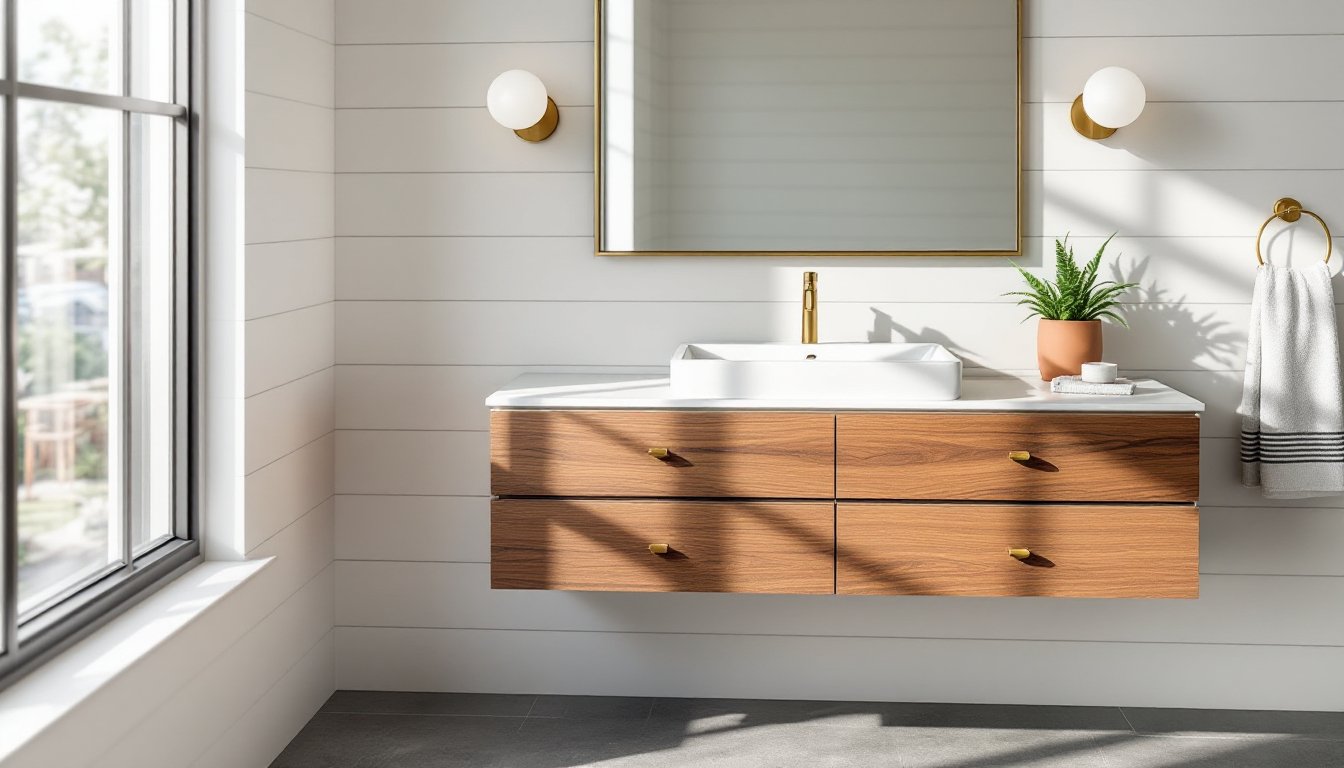
Natural walnut and white oak vanities are seeing a resurgence, often with a matte or satin finish rather than the glossy poly coats common in the 2000s. Walnut brings depth without going full espresso, while white oak offers grain interest in a lighter register. Both woods work well as floating vanities, where the grain pattern becomes a design feature rather than filler.
Soft whites with warm undertones, think BM OC-17 White Dove or SW 7006 Extra White, remain safe, high-performing choices. They bounce light in windowless powder rooms and serve as a blank canvas for seasonal decor swaps. If you’re painting an existing vanity, use a bonding primer like Stix or INSL-X before topcoating with a satin or semi-gloss acrylic enamel rated for trim and cabinetry.
Bold Statement Colors Making a Comeback
After a decade of playing it safe, homeowners are reaching for colored bathroom fixtures and cabinetry that make a room memorable. Deep forest greens (such as BM 2043-10 Hunter Green or SW 6258 Tricorn Black with a green tint) anchor a spa-like aesthetic, especially when paired with brass or matte black fixtures.
Navy and charcoal blues offer a tailored, almost nautical vibe without veering into coastal kitsch. These work best in bathrooms with natural light or well-planned task lighting: a dark vanity in a dim half-bath can feel like a cave.
Terracotta and clay tones are emerging as a warmer alternative to gray. These earth-based hues nod to Mediterranean and Southwest design but stay grounded enough for modern farmhouse or transitional baths. They’re particularly effective as a stain or tinted lacquer on oak, where the grain shows through.
Matte black vanities peaked around 2023 but remain in rotation for high-contrast looks. The finish hides fingerprints better than gloss, though water spots still show. Pair with carrara marble or white quartz countertops to keep the look from going too moody. Many design resources, including Houzz, feature portfolios showcasing these dramatic pairings in real-world installations.
How to Choose the Right Vanity Color for Your Bathroom
Start with the tile and fixtures you’re not changing. If you have almond or bone-colored tile from the ’80s or ’90s, pure white or cool gray vanities will clash. A warm taupe, greige, or natural wood tone bridges the gap.
Consider the room’s natural light. North-facing bathrooms pull cooler: south-facing spaces can handle deeper, saturated colors without feeling closed in. A quick test: hold paint swatches or wood samples in the space at different times of day. Colors shift under LED vs. incandescent bulbs, and bathroom lighting tends to skew cooler.
Think about the vanity material. Solid wood takes stain and paint differently than MDF or particleboard. If you’re refinishing, sand to bare wood, apply a stain-blocking primer, and topcoat with a durable enamel. For new vanities, check whether the finish is factory-applied catalyzed conversion varnish (more durable) or a standard lacquer.
Match your home’s overall style. A shaker-style vanity in sage green fits a farmhouse or transitional bath. A slab-door floating vanity in walnut reads mid-century modern. Don’t force a mismatch, your vanity should feel like it belongs to the same house as your kitchen cabinets and trim.
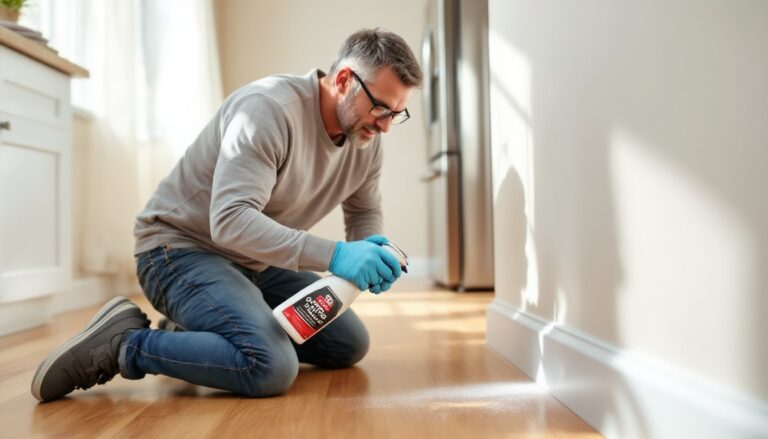
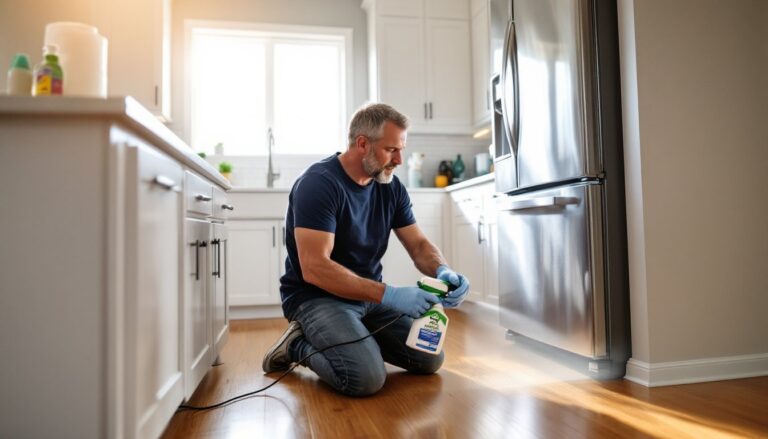
If you’re DIYing a paint job, budget time for proper prep. Remove doors and hardware, clean with TSP or a degreaser, sand with 220-grit, prime, then apply two thin coats of trim paint. Rushing this step is why most painted vanities chip within a year. According to guidance found in House Beautiful archives, prep accounts for 70% of a successful cabinet paint job.
Pairing Your Vanity Color With Countertops and Hardware
Countertop and hardware choices can elevate or sink a vanity color. Here’s how to match them without overthinking it.
Countertop pairings:
- White or light vanities + marble, quartz, or solid surface in white/gray: Classic, safe, works in any style. Add interest with a beveled edge or undermount sink.
- Dark vanities (navy, charcoal, black) + white countertops: High contrast, modern, requires good lighting. Avoid if your tile is beige or cream.
- Natural wood vanities + honed granite, soapstone, or concrete: Brings an organic, less polished look. Soapstone will patina over time, plan for that.
- Colored vanities (green, terracotta, blue) + neutral quartz or butcher block: Let the vanity be the star. Countertops should recede, not compete.
Hardware finish rules:
- Brushed nickel or chrome pairs with cool grays, whites, and navy.
- Brass, gold, or champagne bronze warms up greiges, natural wood, terracotta, and soft whites.
- Matte black works with nearly everything but looks sharpest against light vanities or natural wood with contrast.
- Match your faucet finish to cabinet hardware, mixing metals intentionally is fine, but it requires a deliberate plan, not an accident.
Edge profile and sink style matter, too. An integrated sink (countertop and sink as one piece) in white quartz gives a sleek look with a dark vanity. A vessel sink in ceramic or stone adds texture but eats into counter space, fine for a powder room, inconvenient in a primary bath.
If you’re replacing hardware on an existing vanity, check the center-to-center measurement of screw holes. Standard pulls run 3 inches or 3.75 inches center-to-center: knobs are single-hole. Filling old holes and re-drilling is doable but adds a step and requires wood filler, sanding, and touch-up paint.
Conclusion
Vanity color sets the stage for a bathroom’s entire look, and 2026’s trends offer flexibility without sacrificing function. Whether you lean toward warm wood tones, soft neutrals, or a bold accent hue, the key is matching the color to your lighting, existing finishes, and how much maintenance you’re willing to handle. Take the time to test samples, prep surfaces properly, and choose hardware that completes the look, then enjoy a space that feels both current and personal.