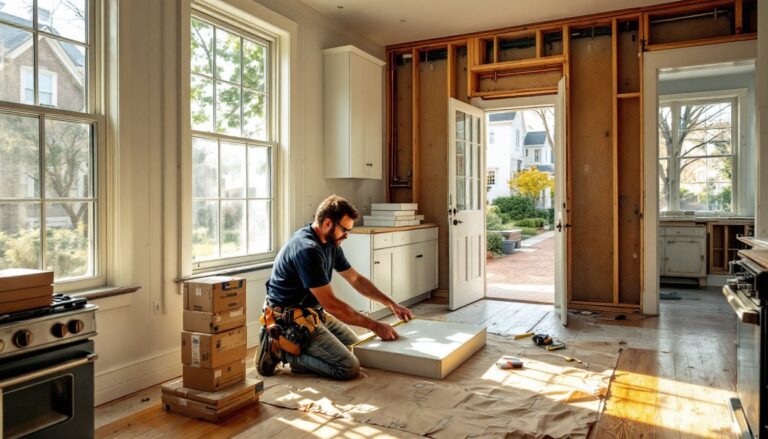
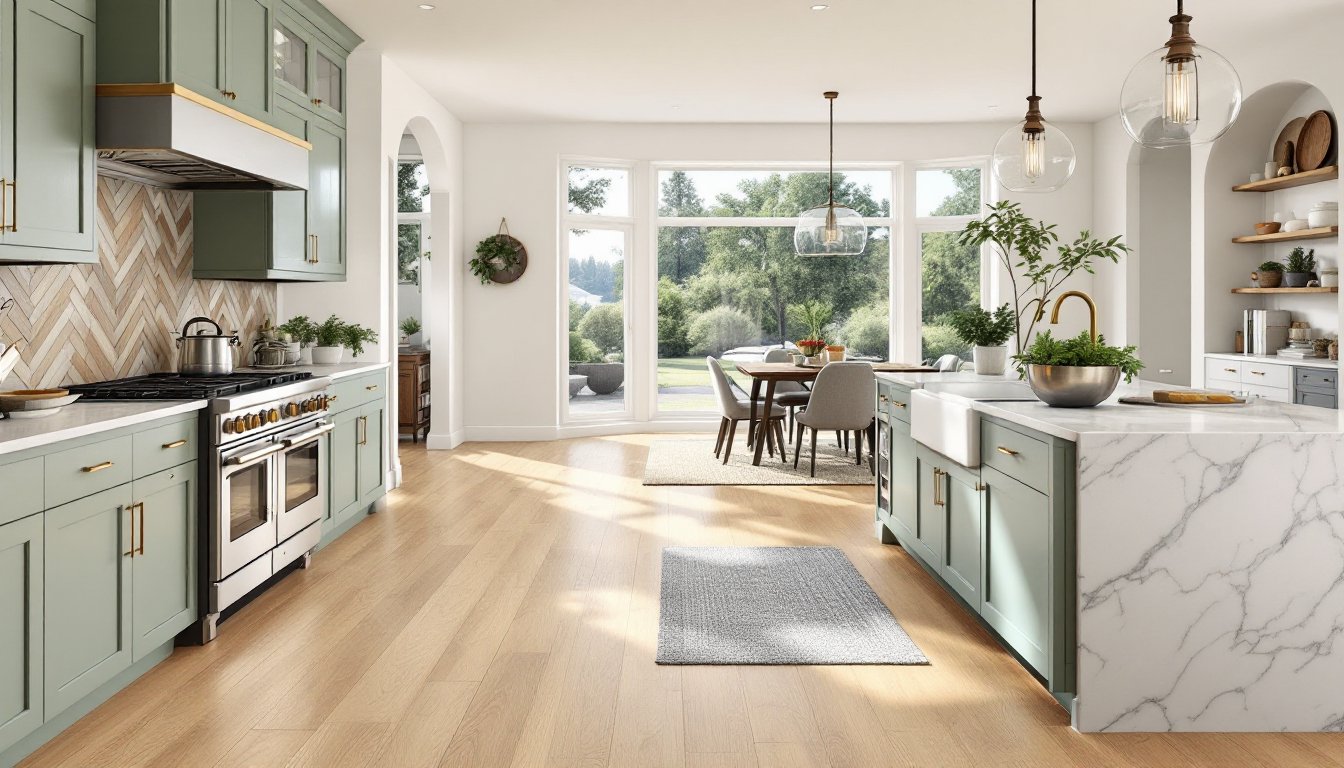
Kitchen flooring isn’t just a surface, it’s the foundation that sets the tone for the entire space. In 2026, homeowners are balancing durability with design, seeking materials that can handle spills, foot traffic, and the occasional dropped cast iron skillet without sacrificing style. The latest trends lean toward low-maintenance options that mimic natural materials, bold statement patterns, and sustainable choices that reduce environmental impact. Whether planning a full remodel or a cosmetic refresh, understanding what’s gaining traction helps narrow the overwhelming field of options and ensures the investment pays off in both function and aesthetics.
Table of Contents
ToggleKey Takeaways
- Luxury vinyl plank (LVP) dominates 2026 kitchen flooring trends as a waterproof, durable, and affordable option that mimics natural materials with a minimum 12-mil wear layer for scratch resistance.
- Large-format porcelain tiles offer a seamless, contemporary look with fewer grout lines, but require a perfectly flat subfloor and professional installation to avoid cracking and lippage.
- Warm wood tones are making a major comeback in kitchen flooring ideas, with engineered hardwood offering better moisture stability than solid hardwood in humid kitchen environments.
- Sustainable flooring options like FSC-certified bamboo, cork, and true linoleum appeal to eco-conscious homeowners without sacrificing durability and performance.
- Bold patterns and textured finishes are transforming kitchen floors into design statements, though careful coordination with cabinetry and countertops prevents visual chaos.
- Match your kitchen flooring choice to your lifestyle—high-traffic families need indestructible LVP or tile, serious home cooks benefit from softer surfaces like cork, and moisture testing prevents costly damage from subfloor issues.
Luxury Vinyl Plank: The Smart Choice for Modern Kitchens
Luxury vinyl plank (LVP) continues to dominate kitchen flooring installations, and for good reason. This engineered material offers waterproof construction, realistic wood or stone visuals, and a price point that doesn’t require a second mortgage.
Most LVP products feature a wear layer (measured in mils) that determines scratch and stain resistance. For kitchens, look for a minimum of 12-mil wear layer, anything less won’t stand up to dropped utensils or chair scuffs. The rigid core versions (often called WPC or SPC) provide better stability under temperature fluctuations and heavy appliances than flexible vinyl.
Installation typically uses a floating click-lock system, making it DIY-friendly for homeowners comfortable with basic measuring and cutting. A miter saw or vinyl cutter handles the cuts, and most manufacturers recommend leaving a 1/4-inch expansion gap along walls to accommodate seasonal movement. Some products include attached underlayment, which simplifies the process but reduces flexibility in sound dampening.
The downside? LVP can show minor denting from extremely heavy impacts, and lower-quality products may fade in direct sunlight near patio doors. It’s also not repairable in the traditional sense, damaged planks need full replacement rather than sanding or refinishing.
Large-Format Porcelain Tiles Create Seamless Style
Large-format porcelain tiles, typically 12×24 inches or larger, have moved from commercial spaces into residential kitchens, offering a sleek, contemporary look with fewer grout lines. These tiles provide excellent water resistance, exceptional durability, and come in finishes that convincingly replicate marble, concrete, or natural stone.
The challenge with large-format tiles is substrate preparation. Any dip or hump in the subfloor telegraphs through the tile, creating lippage (uneven edges between tiles). A flat subfloor is non-negotiable, often requiring self-leveling compound before installation. This isn’t a weekend warrior project unless you’ve got tile-setting experience, improper thinset application or inadequate support leads to cracking under point loads.
Rectified edges (precisely cut during manufacturing) allow for tight grout joints, sometimes as narrow as 1/16 inch, which contributes to that seamless appearance. Use unsanded grout for joints this tight: sanded versions won’t pack properly and may scratch polished finishes. For installation, a large-notch trowel (at least 1/2 inch) ensures proper thinset coverage, and back-buttering each tile eliminates voids.
From a design standpoint, many homeowners are exploring sophisticated flooring layouts that emphasize clean lines and minimal visual interruption. The minimal grout lines reduce maintenance, less scrubbing, less discoloration over time, but the initial installation cost runs higher than standard tile due to labor intensity.
Warm Wood Tones Make a Major Comeback
After years of cool grays dominating design trends, warm wood tones are reclaiming kitchen floors. Honey oak, walnut, and natural maple finishes bring warmth and texture that complement both modern and transitional kitchen styles.
For solid hardwood, 3/4-inch thick planks in 3- to 5-inch widths remain standard, though wider planks (up to 7 inches) create a more contemporary feel. Engineered hardwood, a plywood core topped with a hardwood veneer, offers better dimensional stability in kitchens where humidity fluctuates. The top layer should be at least 2mm thick to allow for one refinishing if needed.
Finish matters significantly in kitchens. Aluminum oxide or ceramic-infused polyurethane finishes provide better scratch and water resistance than traditional oil-based poly. Matte and satin finishes hide minor scratches better than high-gloss options, which show every scuff mark and water spot.
Installation requires acclimating the wood to the home’s humidity level for at least 72 hours before laying it down. Skip this step, and you’ll see gaps or buckling within months. Nail-down installation over a wood subfloor is most common, requiring a pneumatic flooring nailer. Floating installations work for engineered products but need a quality underlayment with a moisture barrier.
One caveat: even water-resistant finishes aren’t waterproof. Standing water from a dishwasher leak or overflowing sink will damage wood flooring. It’s not the best choice for homeowners prone to kitchen mishaps or homes with active families unless paired with strategically placed area rugs near the sink.
Sustainable and Eco-Friendly Flooring Options
Environmental consciousness is driving material choices, with homeowners seeking flooring that minimizes ecological impact without compromising performance. Cork, bamboo, reclaimed wood, and linoleum (not vinyl) are gaining traction.
Cork offers natural antimicrobial properties and a soft, cushioned feel underfoot, a comfort factor that matters during long cooking sessions. It’s harvested from bark without killing trees, making it renewable. Cork requires sealing every few years to maintain water resistance, and sharp impacts can dent the surface. It’s available in tiles or planks, typically installed as a floating floor.
Bamboo flooring, particularly strand-woven versions, rivals hardwood in hardness (often exceeding red oak on the Janka scale). It grows to harvestable size in 3-5 years compared to decades for hardwood. Look for products certified by the Forest Stewardship Council (FSC) to ensure responsible sourcing. Installation mirrors hardwood, acclimation, nail-down or floating methods, and similar finish requirements.
Reclaimed wood brings character and history while diverting material from landfills. Expect higher costs due to sourcing, denailing, and milling, plus potential width and length variations that complicate installation. Each board tells a story, but inconsistent dimensions mean more cutting and fitting.
True linoleum (made from linseed oil, cork dust, and wood flour) shouldn’t be confused with vinyl. It’s biodegradable, naturally antimicrobial, and available in vibrant colors. It requires professional installation with full-spread adhesive and isn’t DIY-friendly. The material continues to cure and harden over time, actually becoming more durable with age.
Bold Patterns and Textured Finishes Gain Popularity
Kitchens are shedding their neutral-only reputation. Patterned tiles, geometric designs, and textured finishes are becoming focal points rather than safe background choices.
Encaustic cement tiles, handmade with pigmented patterns throughout the tile body, deliver intricate designs that don’t wear off. They require sealing to prevent staining (cement is porous) and careful maintenance, but the visual impact is undeniable. These tiles work best in kitchens where the floor becomes part of the design statement, complementing simpler cabinetry and countertops.
Geometric patterns like hexagons, chevrons, and herringbone layouts add movement and interest. Herringbone, in particular, works with wood, LVP, or tile, though it increases material waste (typically 15-20% extra for cuts) and installation time. The pattern draws the eye lengthwise, which can make narrow galley kitchens feel more spacious.
Textured finishes, think hand-scraped wood, wire-brushed oak, or stone-look porcelain with dimensional variation, add tactile interest and hide imperfections better than smooth surfaces. The texture also improves slip resistance when wet, a practical consideration near sinks and dishwashers. Design inspiration from diverse kitchen flooring styles shows how patterns can define zones within open-concept spaces.
One word of caution: busy patterns require careful coordination with backsplashes, cabinets, and countertops. Too many competing patterns create visual chaos. If going bold on the floor, keep upper elements simpler.
Choosing the Right Flooring for Your Kitchen Lifestyle
The best flooring choice depends less on trends and more on how the kitchen gets used. Honest assessment upfront prevents expensive regrets.
High-traffic households with kids and pets need indestructible options. LVP and porcelain tile top this list, both handle spills, scratches, and impacts better than most alternatives. Avoid light grout colors unless prepared for regular cleaning.
Serious home cooks who spend hours standing at the stove benefit from softer surfaces. Cork provides cushioning, as does LVP with quality underlayment. Hardwood and tile, while beautiful, are unforgiving on feet and backs during marathon cooking sessions. Anti-fatigue mats help but introduce tripping hazards.
Budget-conscious renovators can’t ignore cost per square foot plus installation. Sheet vinyl (the newer iterations, not your grandmother’s peeling kitchen floor) and ceramic tile hit the sweet spot for affordability and durability. DIY installation of click-lock LVP or peel-and-stick tile saves labor costs but requires careful subfloor prep.
Resale value matters for those planning to sell within five years. Neutral, durable options like wood-look LVP or classic tile in muted tones appeal to broader buyer pools than bold personal statements. That vibrant patterned tile may thrill you but could limit buyer interest.
Consider the subfloor before committing. Concrete slabs accept most flooring types but feel cold without radiant heat or insulating underlayment. Wood subfloors need evaluation for levelness, squeaks, and moisture issues before any new flooring goes down. Resources like The Kitchn often feature real-world kitchen renovations that illustrate how different flooring choices perform over time.
Moisture levels in basements or homes with known foundation issues rule out solid hardwood and some laminate options. A simple moisture meter test (available at hardware stores for under $50) can save thousands in future repairs.
Conclusion
Kitchen flooring trends in 2026 prove that homeowners no longer have to choose between durability and design. Whether opting for the practicality of luxury vinyl, the sophistication of large-format tile, the warmth of natural wood, or the character of bold patterns, the key is matching material properties to real-world use. Take time to assess lifestyle needs, budget constraints, and installation realities before committing. The floor will outlast most other kitchen elements, so get it right the first time.