
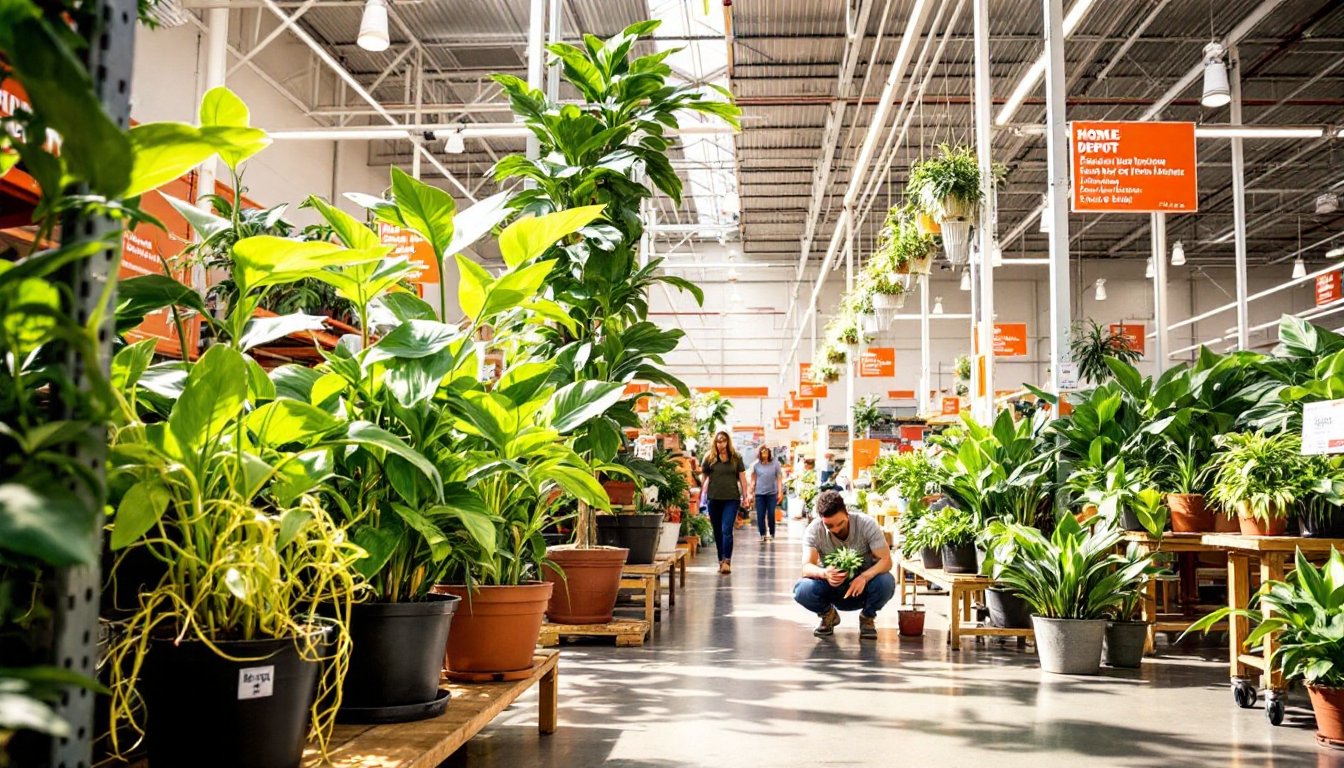
Home Depot isn’t just for lumber and power tools anymore. Walk into any location and you’ll find an entire garden center packed with indoor plants, from starter pothos to statement fiddle leaf figs. Whether you’re greening up a dim apartment corner or designing a plant-filled living room, Home Depot offers accessibility, variety, and pricing that beats boutique nurseries. This guide walks through what’s actually available, how to pick healthy specimens, and how to keep them alive once you get home. No Instagram fluff, just practical advice for bringing greenery indoors.
Table of Contents
ToggleKey Takeaways
- Home Depot offers indoor plants 30–40% cheaper than boutique nurseries, with consistent year-round availability and weekly restocking across most locations.
- Best beginner-friendly indoor plants at Home Depot include snake plants, pothos, ZZ plants, and spider plants, all thriving in low light with minimal watering requirements.
- Assess your home’s actual light conditions before purchasing—light mismatches cause most plant failures, so match species to north-, east-, or south-facing windows accordingly.
- Inspect plants for health before buying by checking for firm leaves without spots, pest-free undersides, white or light tan roots, and avoiding root-bound specimens.
- Repot within 2–4 weeks in well-draining soil, water based on soil dryness (not calendar dates), and rotate plants weekly to ensure balanced growth and prevent common issues like yellowing or legginess.
- Shop in-store on weekday mornings for the best selection and quality inspection, or call ahead if seeking specific varieties like variegated monsteras that rotate seasonally.
Why Home Depot Is a Top Choice for Indoor Plants
Home Depot stocks indoor plants year-round with consistent availability that local nurseries can’t always match. Their supply chain means you’ll find the same popular species in February as you will in May, and most stores restock weekly.
Price point is the first advantage. A 6-inch pothos at a boutique plant shop might run $25–$35: Home Depot typically sells the same size for $12–$18. Snake plants, philodendrons, and spider plants follow similar pricing, roughly 30–40% below specialty retailers. You’re paying for the plant, not the Instagram-ready packaging.
Selection varies by location and season, but most stores carry 25–40 indoor varieties at any given time. Expect the classics: pothos, snake plants (Sansevieria), ZZ plants, peace lilies, and dracaenas. Larger locations often stock fiddle leaf figs, monsteras, and rubber plants in 10-inch pots. Seasonal shipments bring in crotons, calatheas, and ferns, though these rotate out faster.
The garden center staff can tell you when shipments arrive, usually midweek, so you can grab the freshest stock before it sits under fluorescent lights too long. Plants that have been in-store for weeks show signs: yellowing lower leaves, dry soil pulled away from the pot edges, or leggy growth stretching toward the light.
Best Indoor Plants Available at Home Depot
Low-Maintenance Plants for Beginners
Snake plants (Sansevieria trifasciata) top the beginner list. They tolerate low light, irregular watering, and neglect that would kill most houseplants. Home Depot stocks them in 4-inch to 10-inch pots, often labeled as “mother-in-law’s tongue.” Water every 2–3 weeks and place anywhere, they’ll survive.
Pothos (Epipremnum aureum) comes in golden, marble queen, and jade varieties. These vining plants grow fast, tolerate low to bright indirect light, and recover quickly from underwatering. A 6-inch hanging basket runs $12–$15. Let the soil dry between waterings: overwatering causes root rot faster than drought kills them.
ZZ plants (Zamioculcas zamiifolia) have thick, waxy leaves that store water, making them drought-tolerant. They grow slowly but steadily in low to moderate light. Home Depot’s 6-inch pots typically have 3–4 stems: expect to pay $18–$25. Water only when the soil is completely dry, every 3–4 weeks in most homes.
Spider plants (Chlorophytum comosum) produce offsets (baby plants) that hang from the mother plant on runners. They’re nearly impossible to kill, thrive in bright indirect light, and tolerate occasional neglect. Hanging baskets cost $10–$15. The main risk is browning leaf tips from tap water with high fluoride: let water sit overnight or use filtered water if this becomes an issue.
Statement Plants for Interior Design Impact
Fiddle leaf figs (Ficus lyrata) are the tall, sculptural plants that fill corners in design magazines. Home Depot stocks them in 10-inch pots (3–4 feet tall) for $40–$60, and occasionally 14-inch floor plants (5–6 feet) for $80–$120. They need bright, indirect light and consistent watering, let the top 2 inches of soil dry between waterings. They’re fussier than beginner plants but not impossible: the home decor trend toward large greenery has made them more accessible.
Monsteras (Monstera deliciosa) develop dramatic split leaves as they mature. Young plants in 6-inch pots run $15–$20: mature specimens with splits in 10-inch pots cost $45–$65. They climb naturally, so add a moss pole or let them trail. Bright indirect light and weekly watering during growth season keep them happy.
Rubber plants (Ficus elastica) grow upright with thick, glossy leaves in burgundy or variegated green. They reach 6–10 feet indoors over several years. Home Depot’s 10-inch pots (2–3 feet tall) cost $30–$45. Wipe leaves monthly to remove dust and maintain their shine. They tolerate medium light but grow faster in bright spots.
Dracaenas (Dracaena marginata, Dracaena fragrans) offer height without the fuss of fiddle leaf figs. The Madagascar dragon tree (marginata) has spiky, red-edged leaves on woody stems: corn plants (fragrans) have broader, striped foliage. Both tolerate low light and infrequent watering. Expect 3–4 foot plants in 10-inch pots for $35–$50.
How to Choose the Right Indoor Plant at Home Depot
Assess your light conditions before you shop. Most indoor plant failures come from light mismatches, not watering mistakes. South- and west-facing windows provide bright indirect light: north-facing windows offer low light: east-facing gives gentle morning sun. If you can’t read a book comfortably without artificial light, you have low light, stick with snake plants, ZZ plants, or pothos.
Inspect plants for health indicators. Look for firm, evenly colored leaves without brown edges, yellow spots, or holes. Check the underside of leaves for pests, mealybugs look like white cotton, spider mites leave fine webbing, and scale appears as brown bumps. Avoid plants with these issues: they’re hard to eradicate once you bring them home.
Check the root system if possible. Gently tip the pot and look at drainage holes. Healthy roots are white or light tan: black, mushy roots signal rot. Some root visibility is normal, but if roots circle the pot densely or grow several inches out of drainage holes, the plant is root-bound and will need repotting immediately.
Consider mature size and growth rate. That cute 6-inch monstera will eventually need a floor pot and climbing support. Fiddle leaf figs can hit 10 feet indoors. If you want permanent tabletop plants, choose slow growers like ZZ plants or stay with compact varieties. Fast growers like pothos and philodendrons need regular pruning or space to trail.
Match watering needs to your schedule. If you travel frequently or forget to water, choose drought-tolerant species (snake plant, ZZ plant, cacti). If you enjoy frequent plant care, ferns, peace lilies, and calatheas that prefer consistent moisture will suit you better. Houseplant enthusiasts often note that trendy houseplants require more attention than their social media presence suggests.
Caring for Your Home Depot Indoor Plants
Repot within 2–4 weeks if the plant is root-bound or in poor-quality soil. Home Depot plants often come in basic peat-heavy mixes that compact quickly. Upgrade to a well-draining potting mix, add perlite or orchid bark if the plant prefers fast drainage (succulents, snake plants, ZZ plants). Choose a pot 1–2 inches larger in diameter than the current one: oversized pots hold excess moisture and promote root rot.
Establish a watering routine based on soil dryness, not a calendar. Stick your finger 2 inches into the soil: if it’s dry at that depth, water thoroughly until it drains from the bottom. Empty saucers after 15 minutes, standing water causes root rot. Most tropical houseplants need watering every 5–10 days in average home conditions: succulents and drought-tolerant plants go 2–4 weeks.
Light requirements don’t change after purchase. If you bought a plant labeled “bright indirect light,” placing it in a dim corner will cause leggy growth, leaf drop, and eventual decline. Use sheer curtains to diffuse harsh direct sun, or move plants back from windows. Rotate plants a quarter turn weekly so all sides get equal light exposure.
Fertilize during the growing season (March–September) with half-strength liquid fertilizer every 4–6 weeks. Most Home Depot plants haven’t been fertilized heavily, so don’t overdo it. Excess fertilizer causes brown leaf tips and salt buildup on soil and pot rims. Flush pots with water every few months to prevent salt accumulation.
Watch for common problems early. Yellow leaves usually indicate overwatering or poor drainage. Brown, crispy leaf edges suggest low humidity or underwatering. Pale new growth or slow growth signals insufficient light. Leggy stems reaching toward light mean the plant needs a brighter spot. Diagnosing issues early prevents permanent damage.
Shopping Tips: In-Store vs. Online at Home Depot
In-store shopping lets you inspect plant quality before buying. You can check leaf condition, soil moisture, and pest issues, critical for long-term success. Garden center staff can often tell you which plants just arrived and which have been sitting for weeks. Weekday mornings typically offer the best selection before weekend shoppers pick through inventory.
Bring your own pots and soil if you plan to repot immediately. Home Depot’s decorative pot selection leans toward basic terra cotta and plastic: you’ll find better design options at nurseries or home goods stores. Their potting soil selection is solid, look for brands like Miracle-Gro, FoxFarm, or Espoma depending on your plant type. Avoid soil labeled “garden soil” for indoor plants: it’s too heavy and doesn’t drain properly.
Online ordering works for common, hardy species if you can’t visit in-store. Snake plants, pothos, and ZZ plants ship relatively well. Avoid ordering delicate plants (ferns, calatheas, fiddle leaf figs) online unless it’s from Home Depot’s live goods guarantee program. Shipping stress causes leaf drop and shock: these plants need time to recover even if they arrive alive.
Check return policies before purchase. Home Depot’s plant guarantee varies by location but typically covers 90 days for perennials and shrubs. Indoor houseplants often fall under a shorter 30-day window. Keep your receipt and note that neglect (overwatering, incorrect light, pest infestations you introduced) usually isn’t covered. If a plant shows disease or pest issues within the return window, bring it back.
Timing matters for seasonal variety. Spring (March–May) brings the widest selection as garden centers stock up for outdoor planting season. Indoor plants piggyback on this inventory surge. Late summer and fall see smaller selections, and winter stock focuses on cold-hardy houseplants. If you’re after something specific like a variegated monstera or uncommon dracaena variety, call ahead or check online inventory.
For more comprehensive plant care guides beyond what’s covered here, established gardening resources offer detailed species-specific advice. The key is matching the right plant to your home’s actual conditions, not the conditions you wish you had. Home Depot provides accessible starting points: your consistent care determines whether those plants thrive or just survive.