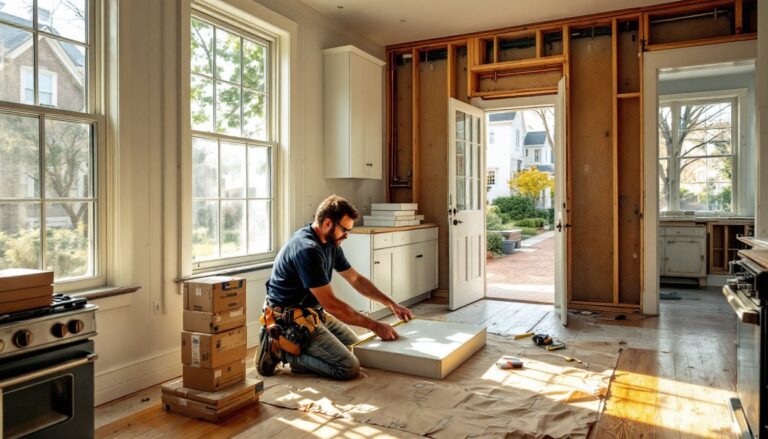
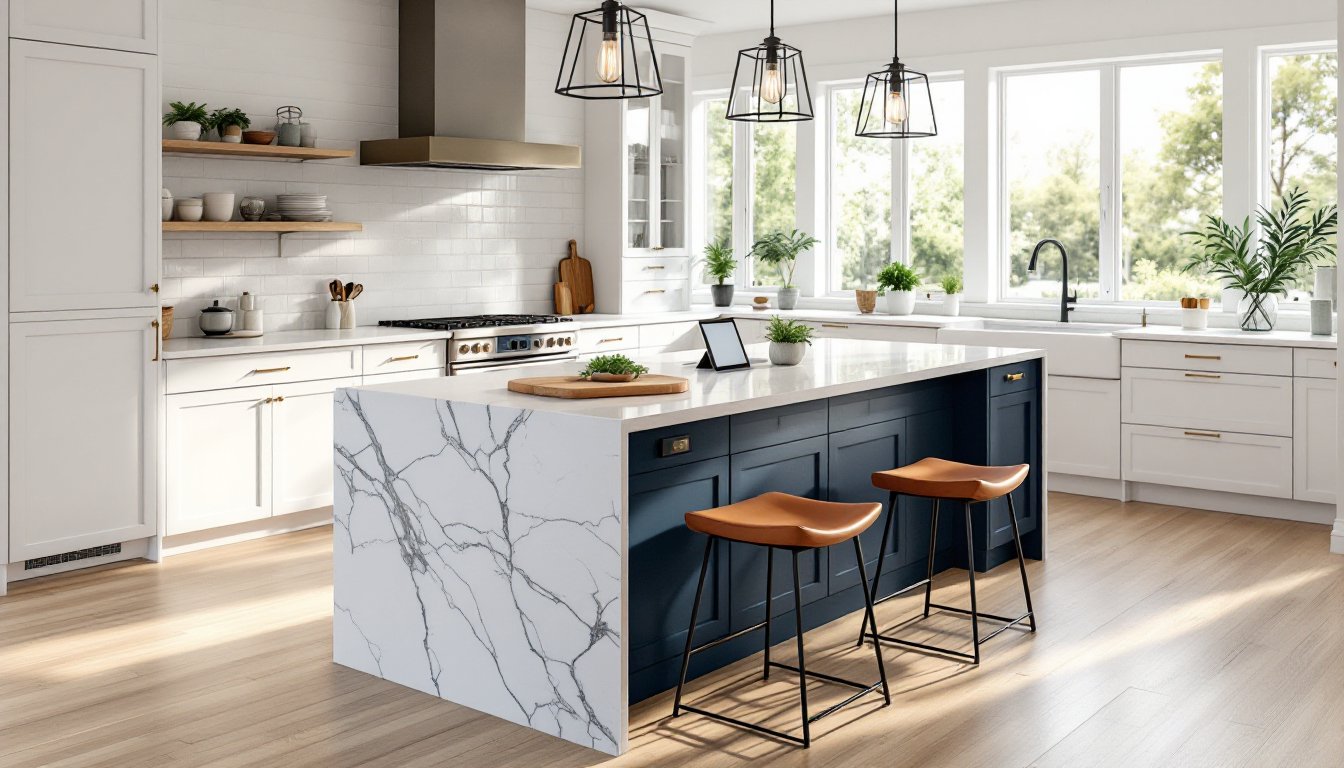
The kitchen island has come a long way from its origins as a simple prep surface. In 2026, homeowners are demanding more from this central fixture, more function, more personality, and more clever engineering. Today’s islands double as charging stations, hide appliances, feature contrasting finishes that pop, and incorporate materials that make a statement. Whether planning a full remodel or looking to refresh an existing island, understanding current trends helps homeowners make choices that blend style with serious functionality. These aren’t passing fads, they’re design shifts rooted in how people actually cook, entertain, and live in their kitchens.
Table of Contents
ToggleKey Takeaways
- Kitchen island trends in 2026 emphasize multifunctional design, with islands now integrating cooktops, microwave drawers, pop-up power outlets, and smart storage to maximize both workspace and functionality.
- Bold contrasting finishes—deep navy, forest green, and charcoal—define 2026 kitchen islands, moving away from matching cabinetry toward statement colors that anchor rooms without feeling heavy.
- Waterfall edges with statement materials like marble-veined quartz, butcher block, and leathered granite transform kitchen islands into sculptural focal points that showcase premium materials.
- Integrated seating solutions with 15–18-inch overhangs and purpose-built nooks create comfortable gathering spaces that transition kitchens into living zones for families and entertaining.
- Sustainable sourcing through reclaimed wood, strand-woven bamboo, and locally fabricated materials is becoming essential, allowing homeowners to reduce environmental impact while adding character and authenticity to islands.
Multifunctional Islands That Work Harder for You
The days of the island as pure counter space are over. In 2026, savvy homeowners are designing islands that pull triple or quadruple duty.
Appliance integration is the biggest driver. Microwave drawers, warming drawers, and wine fridges now live inside islands instead of breaking up wall cabinet runs. Cooktops on islands remain popular, though they require overhead ventilation, either a ducted downdraft system or a suspended range hood. Downdraft vents are easier to install but less effective with high-BTU gas burners. If installing a cooktop, ensure at least 9 inches of landing space on each side per IRC guidelines and account for electrical or gas line routing during framing.
Power and connectivity are non-negotiable. Installing pop-up outlets or 20-amp GFCI receptacles flush-mounted into the countertop keeps phones, tablets, and small appliances charged without cords snaking across the workspace. NEC 2023 (Section 210.52) requires at least two receptacles for islands: many homeowners are adding four or more. USB-C ports built into outlets eliminate bulky adapters.
Some islands now feature built-in compost bins, pull-out cutting boards, and tilt-out sponge trays. A toe-kick drawer (the 4-inch space under base cabinets) can hold baking sheets or serving platters. When planning multifunctional features, sketch the workflow: Does the sink placement interfere with seating? Will a cooktop crowd prep space? Measure twice, frame once.
Bold Color and Contrasting Finishes Take Center Stage
Matchy-matchy kitchens are out. Contrasting islands, where the island finish differs dramatically from perimeter cabinets, are the defining look of 2026.
Deep, saturated colors are leading the charge. Navy, forest green, charcoal, and even matte black islands anchor a room without feeling heavy when paired with lighter wall cabinets. Sherwin-Williams Naval and Benjamin Moore Hunter Green are showing up in project photos across design boards. These aren’t stains: they’re opaque paints or factory-finished cabinetry with conversion varnish topcoats for durability. If painting an existing island, use a bonding primer like INSL-X Stix and a cabinet enamel that cures hard, latex will chip under daily use.
Two-tone kitchens also play with texture contrast: a smooth painted island against natural wood uppers, or a rustic reclaimed wood base below sleek white cabinets. When mixing finishes, pick one element to repeat, hardware finish, countertop edge profile, or flooring, so the space feels intentional, not random.
Warmer, earthy tones are gaining traction too. Terracotta, clay, and soft sage create a grounded, organic feel. These hues pair well with sustainable design choices that emphasize natural materials and handcrafted details. Always test paint samples on a large board and view them at different times of day, kitchen lighting (often a mix of recessed cans, pendants, and natural light) can shift color dramatically.
Waterfall Edges and Statement Materials
The waterfall edge, where countertop material cascades down one or both sides to the floor, remains a signature look in 2026, especially for modern and transitional kitchens. It’s a clean, sculptural detail that shows off the material’s full beauty.
Waterfall edges work best with materials that have bold veining or pattern: quartz slabs with marble-look veining, natural quartzite, or book-matched granite. The fabricator miters the vertical and horizontal pieces at a 45-degree angle for a seamless corner. Expect to pay 20–30% more than a standard install due to additional material and labor. If the island houses seating, a waterfall edge on the outward-facing side creates a finished look without exposed cabinet ends.
Beyond waterfalls, statement materials are defining islands as focal points. Butcher block tops (typically 1.5-inch-thick hard maple) add warmth and double as cutting surfaces when sealed with food-safe mineral oil. They require regular maintenance, monthly oiling, but develop character over time. For high-traffic or wet-prep areas, consider a leathered granite or honed marble instead of polished: the matte finish hides fingerprints and etching better.
Contrasting countertops, say, white quartz on perimeter cabinets and a dark soapstone island, add visual interest. Just ensure the two materials have similar thickness (standard is 3 cm) so they align at appliance gaps. Concrete countertops, once niche, are appearing in modern island designs for their industrial edge and custom pour options, though they need proper sealing to resist stains.
Integrated Seating Solutions for Modern Living
Islands aren’t just work zones, they’re where families eat breakfast, kids do assignments, and guests perch with wine glasses. Integrated seating that feels purposeful, not tacked-on, is a priority.
The standard overhang for seating is 12 inches minimum, but 15–18 inches is more comfortable, especially for counter-height stools (24–26 inches tall). If the island is bar height (42 inches), use 30-inch stools and plan for more knee space. Code doesn’t mandate support brackets under overhangs less than 12 inches, but anything beyond that typically requires corbels or steel supports hidden inside the cabinet base. Granite and quartz can cantilever about 10 inches before risking fracture: larger overhangs need structure.
Some homeowners are carving out dedicated seating nooks with lowered sections, a 36-inch-high table-height extension on one end of an otherwise counter-height island. This works well in open-plan layouts where the island transitions from kitchen to living space. Frame the lowered section separately during construction: it’s not something easily retrofitted.
Backless upholstered benches or built-in banquettes are appearing on island ends, offering comfort without the clutter of multiple stools. If going this route, ensure at least 24 inches of width per seated person and consider a hinged seat for hidden storage underneath. Always account for traffic flow: a seated person needs about 36 inches of clearance behind them for someone to pass comfortably.
Smart Storage Innovations and Hidden Features
The best islands maximize every cubic inch without looking cluttered. Specialized storage is the backbone of these designs.
Deep drawers (12 inches or more) with full-extension soft-close slides are replacing shelves for pots, pans, and appliances. Slides rated for 100 lbs (like Blum Tandem or Grass DWD-XP) handle cast iron and stand mixers without sagging. Dividers, peg systems, or custom inserts keep contents organized, freestanding items in a drawer become chaos fast.
Pull-out trash and recycling centers hide bins but keep them accessible. Dual 35-quart bins fit most kitchens: mount them on bottom-mount slides to avoid interference with the drawer above. Some homeowners are adding a third small bin for compost.
Hidden features add magic without fuss. Appliance garages with tambour doors or lift-up panels keep toasters and blenders on the countertop but out of sight. Charging drawers, shallow drawers with built-in power strips, corral devices and eliminate counter clutter. Spice pull-outs (3–4 inches wide) fit in dead space beside a cooktop or sink.
For more innovative storage ideas, consider vertical dividers for baking sheets, pull-out towel bars inside cabinet doors, and lazy Susans in corner cabinets. When designing storage, group items by use: prep tools near the sink, cookware near the range, serving pieces near seating.
Sustainable and Natural Material Choices
Sustainability is shifting from buzzword to baseline expectation. In 2026, homeowners want islands built from materials with a lighter environmental footprint and a story to tell.
Reclaimed wood is a top choice for island bases or countertops. Salvaged barn siding, old gym flooring, or deconstructed warehouse beams bring texture and history. When sourcing reclaimed lumber, verify it’s been kiln-dried and denailed: hidden fasteners can wreck saw blades and planers. Seal reclaimed wood with a water-based polyurethane or hardwax oil to preserve character while protecting against spills.
Bamboo cabinetry and countertops offer a fast-growing, renewable alternative to hardwoods. Strand-woven bamboo is denser than traditional edge-grain and stands up to kitchen wear. It’s comparable in cost to mid-grade maple and takes stain well, though natural amber tones are most popular.
For countertops, recycled glass surfaces (like Vetrazzo) and paper composite materials (Richlite, Paperstone) provide durability with recycled content. Richlite, made from paper and phenolic resin, is used in skateboard ramps and cutting boards, it’s tough, heat-resistant to 350°F, and develops a patina over time. It’s also easy to sand and refinish.
Locally fabricated materials cut transportation emissions. Sourcing stone, metal, or wood from regional suppliers reduces the carbon cost and often supports small businesses. Ask fabricators about offcuts or remnants for smaller island projects, these pieces are often discounted and destined for landfill otherwise.
Conclusion
Kitchen islands in 2026 are more intentional, more personal, and far more capable than ever before. They blend cutting-edge function with bold aesthetics, proving that good design doesn’t mean sacrificing practicality. Whether integrating smart storage, choosing a statement material, or embracing sustainable sourcing, today’s islands reflect how homeowners live, and they’re built to keep up.