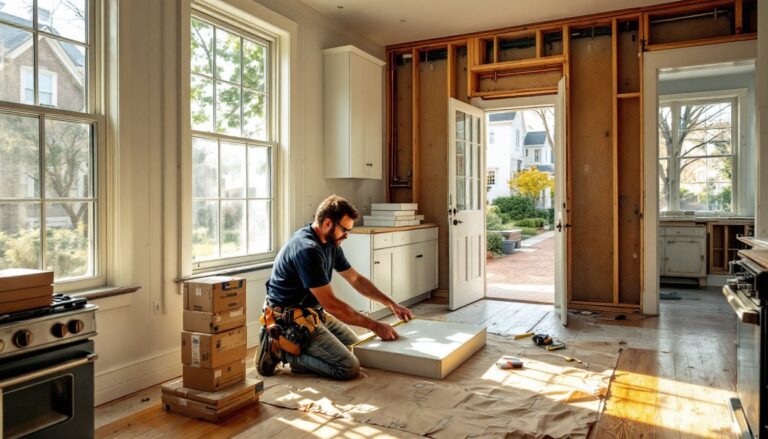
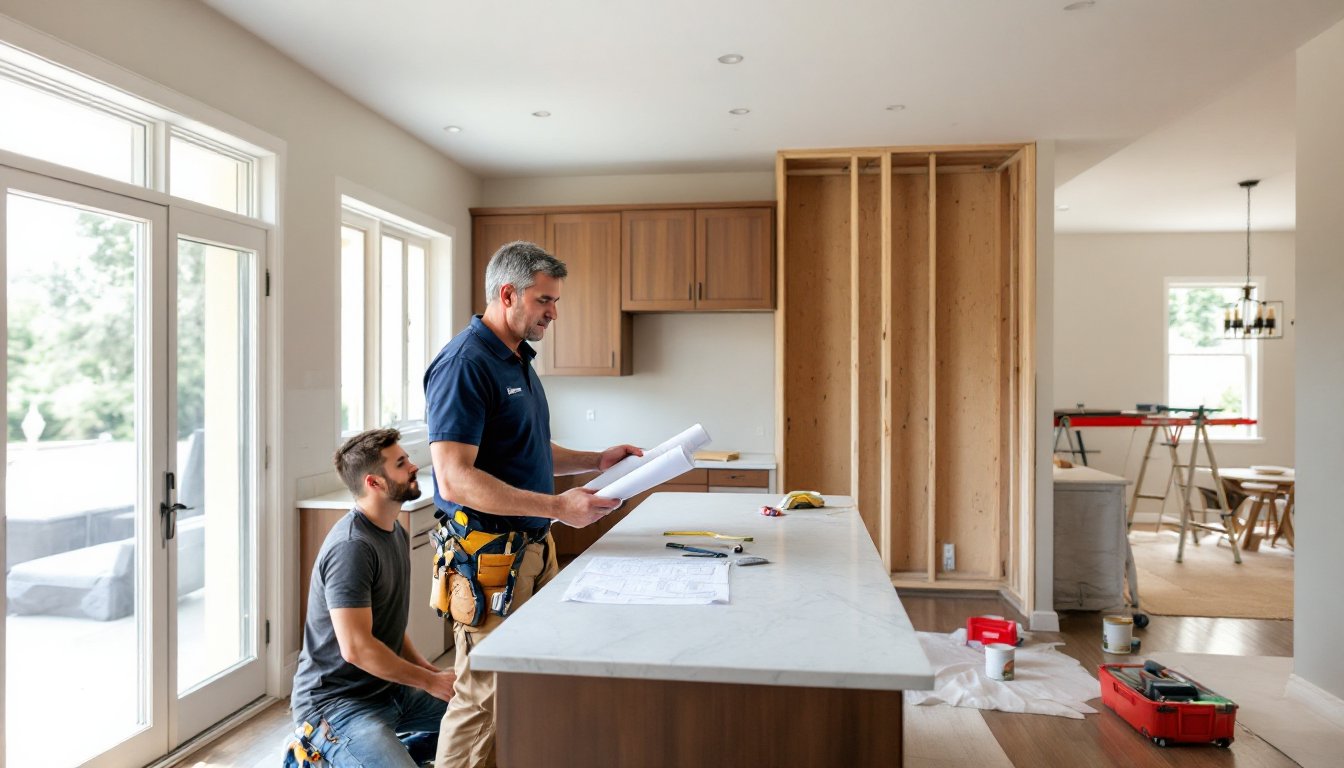
Hiring a home remodeling company is one of the biggest decisions a homeowner will make, and one of the riskiest if done poorly. The difference between a smooth project and a six-month nightmare often comes down to vetting contractors properly before signing anything. Whether planning a kitchen overhaul, a bathroom gut, or a whole-house renovation, choosing the right remodeling company involves more than scrolling through online reviews or picking the lowest bid. This guide walks through what separates reputable remodeling firms from fly-by-night operators, highlights some of the top national and regional players, and covers the questions every homeowner should ask before handing over a deposit.
Table of Contents
ToggleKey Takeaways
- Verify licensing, liability insurance, and workers’ compensation before hiring any home remodeling company to protect yourself from liability and ensure professional standards.
- Request itemized estimates breaking down labor, materials, permits, and contingencies—vague lump-sum bids hide where money goes and enable future change order scams.
- Look for remodeling companies with 10+ years in business, relevant portfolio experience, and proven communication skills rather than choosing based on low bids alone.
- Compare national franchises like Home Depot and The Home Depot installation services against local contractors found on Houzz or HomeAdvisor for better value and personalized service.
- Get answers in writing about project timeline, on-site management, change order processes, warranty coverage, and permit responsibility before signing any contract.
- Beware of large upfront deposits (50%+) and missing scope items like cleanup and disposal—reputable contractors typically request 10-20% down with progress payments tied to milestones.
What to Look for in a Home Remodeling Company
A good remodeling company brings more than skilled labor, they deliver project management, clear communication, and accountability. Start by checking how long they’ve been in business. Longevity isn’t everything, but a company that’s survived a decade or more has weathered economic cycles, built a stable crew, and maintained a reputation worth protecting.
Look for companies that specialize in the type of work being done. A firm that excels at kitchen remodels might not be the best fit for a structural addition or a historic home restoration. Ask for a portfolio of recent projects similar in scope and style to what’s being planned.
Communication matters as much as carpentry skills. A contractor who returns calls promptly, provides detailed written estimates, and explains material choices clearly will be easier to work with when issues arise, and issues always arise. Red flags include vague timelines, pressure to sign quickly, or reluctance to provide references.
Licensing, Insurance, and Certifications
Licensing requirements vary by state and municipality, but any legitimate remodeling company should hold the proper contractor’s license for the work they perform. In most states, this means a general contractor license or a specialty license (electrical, plumbing, HVAC) depending on the scope. Don’t assume a company is licensed just because they have a website, verify through the state licensing board.
Liability insurance and workers’ compensation coverage are non-negotiable. Liability insurance protects the homeowner if the contractor damages property: workers’ comp covers injuries to crew members on-site. Ask for a certificate of insurance (COI) and verify it’s current by calling the insurer directly. If a worker gets hurt and the company isn’t covered, the homeowner could be liable.
Certifications from industry groups, like the National Association of the Remodeling Industry (NARI) or the National Kitchen & Bath Association (NKBA), aren’t required, but they signal a commitment to continuing education and professional standards. Lead-safe certifications (EPA RRP) are mandatory for pre-1978 homes and show the company takes safety regulations seriously.
Top-Rated National Home Remodeling Companies
National remodeling franchises offer consistency, standardized processes, and established reputations. They’re often a safe bet for straightforward projects, though they can be pricier than local independents.
The Home Depot and Lowe’s both operate installation services that connect homeowners with vetted contractors for flooring, countertops, windows, and other product-driven projects. They’re convenient if buying materials through the same retailer, and the big-box backing provides some accountability. But, the actual work is usually subcontracted, so quality depends on the local crew.
Bath Planet and Re-Bath specialize in bathroom remodels, particularly tub-to-shower conversions and acrylic surrounds. They’re fast and efficient for cosmetic updates, though design flexibility is limited compared to custom tile work. Expect a higher per-square-foot cost in exchange for speed and warranty coverage.
Kitchen Tune-Up focuses on cabinet refacing, painting, and minor kitchen updates, ideal for homeowners who want a refresh without the expense of a full gut. They operate through franchises, so quality and pricing vary by location.
Case Design/Remodeling (with locations in multiple states) handles high-end, full-service remodels including additions and whole-house projects. They’re pricier but offer in-house design, project management, and long-term warranties. Best suited for complex jobs where a single point of contact simplifies coordination.
Best Regional and Local Remodeling Contractors
Local and regional contractors often provide better value and more personalized service than national chains. They rely heavily on word-of-mouth, so reputation matters. The challenge is finding them.
Start with platforms like Houzz, which list highly reviewed remodelers by location and specialty. Many top-rated local firms maintain detailed portfolios, client reviews, and project galleries that give a clear sense of their work quality and style.
Another option is HomeAdvisor, which pre-screens contractors for licensing and insurance before matching them with homeowners. While not foolproof, it narrows the field and provides cost estimates for common projects. Always verify credentials independently, even if a contractor comes through a referral service.
Regional firms, those operating in a metro area or across a few states, often hit a sweet spot: they’re large enough to have dedicated project managers, insurance, and warranties, but small enough to offer flexibility and competitive pricing. Ask neighbors, check local building supply yards for recommendations, and attend home shows where regional contractors often exhibit.
Don’t overlook design-build firms, which handle both architecture and construction under one roof. They streamline permitting, reduce miscommunication between designers and builders, and often finish projects faster. They’re worth considering for additions, major layouts changes, or projects requiring structural engineering.
How to Compare Quotes and Avoid Common Pitfalls
Getting multiple quotes is standard advice, but comparing them correctly takes work. A low bid isn’t always a bargain, it might reflect cut corners, inferior materials, or missing scope items.
Request itemized estimates that break out labor, materials, permits, and contingency allowances. Vague lump-sum bids make it impossible to see where money is going or negotiate adjustments. If one quote is significantly lower, ask what’s different, cheaper materials, fewer site visits, no warranty, or unlicensed subs.
Pay attention to payment schedules. Reputable contractors typically ask for 10-20% upfront, progress payments tied to milestones (demo complete, framing inspected, etc.), and a final payment upon completion. Be wary of contractors demanding large deposits (50% or more) before starting work, that’s a common scam setup.
Make sure quotes include cleanup and disposal. Dumpster rentals, debris hauling, and daily site cleanup add up. Some contractors lowball bids by leaving these costs out, then charge change orders later.
Understand what’s not included. Does the estimate cover appliances, fixtures, or just installation? Who’s responsible for permit applications and inspections? Will the crew protect finished areas from dust and damage? These details should be spelled out in the contract.
Platforms like ImproveNet offer cost guides and project planning tools that help homeowners understand typical pricing for specific remodels. Use them as a baseline to spot quotes that are too good to be true.
Questions to Ask Before Signing a Contract
A solid contract protects both parties and sets clear expectations. Before signing, ask these questions and get answers in writing.
Who will be on-site daily? Some contractors sell the job, then hand it off to a rotating crew of subcontractors. Ask if there’s a dedicated project manager and whether the same lead carpenter will be there throughout.
What’s the timeline, and what happens if it slips? Delays happen, but a contractor should provide a realistic schedule with milestones and explain how weather, back-ordered materials, or permit delays will be handled. Avoid contracts without any timeline, it’s a recipe for frustration.
How are change orders handled? Mid-project changes are common, but the process should be transparent. Insist on written change orders with updated cost and timeline before any extra work begins. Verbal agreements lead to disputes.
What warranties are included? Labor warranties typically run 1-3 years: material warranties vary by product. Make sure the contract specifies who to contact if something fails and what’s covered versus excluded.
Who pulls permits and schedules inspections? The contractor should handle this unless it’s a small cosmetic job that doesn’t require permits. If the homeowner is responsible, it should be stated clearly. Unpermitted work can cause problems when selling the home or filing insurance claims.
What’s your dispute resolution process? Hopefully it won’t be needed, but knowing how disagreements are handled, mediation, arbitration, or small claims, saves headaches later.
Finally, never sign a contract with blank sections or vague language like “materials to be determined.” Everything should be spelled out: brands, model numbers, colors, dimensions, and quantities. If something’s truly undecided, add an allowance with a clear process for finalizing selections.
Conclusion
Hiring a home remodeling company is part research, part gut check, and part contract negotiation. Take the time to vet contractors thoroughly, compare detailed quotes, and ask hard questions before committing. A good contractor will welcome scrutiny and provide clear, confident answers. The right fit will make the difference between a project that adds value and enjoyment to a home, and one that drags on, drains the budget, and ends in regret.