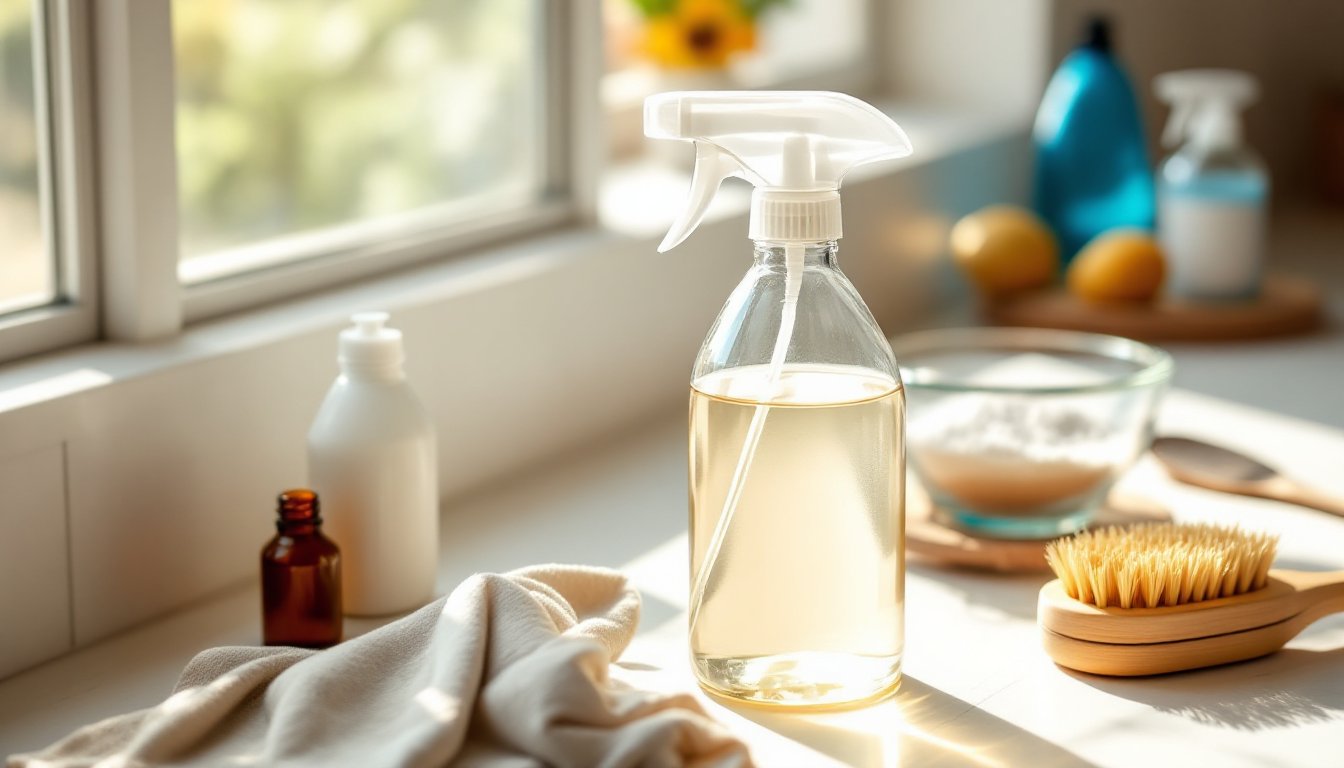
Store-bought carpet cleaners can cost $10 to $25 per bottle, and many contain chemicals that leave residues or trigger allergies. The good news? Most effective carpet cleaning solutions can be mixed from pantry staples for pennies per batch. These homemade formulas work in carpet cleaning machines, spray bottles, or as spot treatments, and they’re tailored for different challenges, from everyday dirt to pet accidents. This guide breaks down proven recipes, ingredient science, and application methods that get carpets clean without the markup or mystery chemicals.
Table of Contents
ToggleKey Takeaways
- Homemade at home carpet cleaner solutions cost $0.50 to $1.50 per gallon compared to $15 to $40 for commercial products, delivering significant savings for households with kids or pets.
- An all-purpose carpet cleaner using hot water, dish soap, vinegar, and rubbing alcohol works effectively in machines or as a spray-on solution while eliminating sticky residues that attract dirt.
- Heavy-duty stains and pet accidents require targeted spot treatments using hydrogen peroxide and baking soda, which oxidize organic matter and neutralize odors more effectively than standard cleaning methods.
- Always test homemade carpet cleaner solutions on inconspicuous areas first, especially on wool, silk, or dark-colored carpets, as hydrogen peroxide can cause bleaching or fiber damage.
- Proper application technique—including pre-treating stains, avoiding oversaturation, and rinsing thoroughly with plain water—determines cleaning success and prevents mold, mildew, and carpet damage.
Why Homemade Carpet Cleaners Are Worth Making
Commercial carpet cleaners rely on surfactants, enzymes, and solvents to break down dirt and stains. Homemade versions use the same principles with accessible ingredients like dish soap (a surfactant), white vinegar (an acid that dissolves mineral deposits and neutralizes odors), and hydrogen peroxide (an oxidizer that lifts organic stains).
Cost savings are real. A gallon of commercial carpet cleaner runs $15 to $40. A DIY batch using vinegar, dish soap, and water costs roughly $0.50 to $1.50 per gallon. For households with kids, pets, or high-traffic areas, that difference adds up fast.
Control over ingredients matters. Many people react to fragrances, optical brighteners, or residue-leaving detergents in commercial formulas. Mixing your own lets you skip allergens and adjust concentrations for carpet fiber type, wool, nylon, polyester, and olefin all have different tolerances for moisture and pH.
Performance isn’t sacrificed. Homemade cleaners won’t match the brute force of industrial steam cleaning with heavy-duty alkaline detergents, but for routine maintenance and most household stains, they’re more than adequate. The key is matching the recipe to the job.
Essential Ingredients for DIY Carpet Cleaning Solutions
Understanding what each ingredient does helps you tweak recipes for your situation.
White vinegar (5% acetic acid) is the workhorse. It dissolves soap scum, cuts grease, neutralizes alkaline stains like urine, and kills some bacteria and mold. Don’t use it full-strength on wool or silk rugs, it can weaken natural fibers over time.
Dish soap acts as a surfactant, reducing water’s surface tension so it penetrates carpet fibers and lifts dirt. Use clear, dye-free varieties like Dawn or Seventh Generation. Too much soap leaves sticky residue that attracts dirt, so less is more, typically 1 to 2 tablespoons per gallon.
Hydrogen peroxide (3% solution, the drugstore kind) is an oxidizing agent that breaks down organic stains, blood, wine, coffee, pet accidents. It’s also a mild disinfectant. Test it on an inconspicuous spot first: it can bleach dark carpets or natural fibers.
Baking soda is mildly abrasive and alkaline, making it good for scrubbing and deodorizing. It’s best used as a pre-treatment powder rather than mixed into liquid solutions, where it can clog machine pumps.
Rubbing alcohol (isopropyl, 70% or 91%) evaporates quickly and helps dissolve oil-based stains like grease or ink. It’s flammable, so work in a ventilated area and don’t use it near open flames or in machines not rated for solvents.
Essential oils (optional) add fragrance. Lavender, tea tree, and lemon are popular. Use 5 to 10 drops per gallon, more can leave oily residue. Skip them if anyone in the household has fragrance sensitivities.
Best All-Purpose Carpet Cleaner Recipe
This formula works in carpet cleaning machines (like Bissell or Hoover models) and as a spray-on solution for manual scrubbing. It balances cleaning power with low residue.
Ingredients:
• 1 gallon hot water (not boiling, 120°F to 140°F is ideal for activating soap)
• 2 tablespoons clear liquid dish soap
• 1/4 cup white vinegar
• 1 tablespoon rubbing alcohol (optional, for faster drying)
• 5 drops essential oil (optional)
Mixing:
- Pour hot water into a clean bucket or pitcher.
- Add dish soap slowly to avoid foam buildup.
- Stir in vinegar and alcohol.
- Add essential oil last if using.
- Mix gently, excessive agitation creates suds that are hard to rinse.
Use in machines: Pour the solution into the machine’s clean water tank. Run a normal cleaning cycle. Follow with a rinse pass using plain water to remove any soap residue. Most machines have a rinse-only setting.
Use as a spray: Transfer to a spray bottle. Mist lightly onto the stained area, don’t saturate. Let it sit for 3 to 5 minutes, then blot with a clean white towel or scrub gently with a soft brush. Blot again to remove moisture.
Why it works: The vinegar cuts grease and neutralizes odors, while dish soap lifts dirt. Alcohol speeds evaporation, reducing the risk of mold or mildew in damp carpet backing. This recipe is safe for synthetic carpets (nylon, polyester, olefin) and won’t leave the sticky residue that attracts dirt later.
Heavy-Duty Stain Remover for Tough Spots
For set-in stains, wine, coffee, mud, grease, you need more oxidizing power and targeted application. This isn’t for whole-room cleaning: it’s a spot treatment.
Ingredients:
• 1/2 cup hydrogen peroxide (3%)
• 1/4 cup white vinegar
• 1 tablespoon clear dish soap
• 1 tablespoon baking soda (add last)
Mixing:
- Combine peroxide, vinegar, and dish soap in a spray bottle or bowl.
- Sprinkle baking soda directly onto the stain first, then apply the liquid mixture on top. It will foam, that’s the reaction working.
- Use immediately: the mixture loses potency after 30 minutes.
Application:
- Blot up any excess liquid or solid material from the stain first.
- Sprinkle a thin layer of baking soda over the stain.
- Spray or pour the liquid mixture over the baking soda. You’ll see fizzing.
- Let it sit for 10 to 15 minutes. For old stains, go up to 30 minutes.
- Scrub gently with a soft-bristle brush or sponge.
- Blot thoroughly with clean towels. Rinse the area with plain water and blot again.
Safety note: Hydrogen peroxide can bleach dark carpets. Always test on a hidden spot (under furniture, in a closet) before treating visible areas. Wear gloves if you have sensitive skin.
Why it works: Peroxide oxidizes organic stains, breaking them down at a molecular level. Vinegar and baking soda create a foaming action that lifts debris from carpet fibers. This combo tackles stains that general cleaning routines often miss.
Pet Stain and Odor Eliminator Solution
Pet urine isn’t just a stain, it’s a biochemical challenge. Urine contains uric acid crystals that bond to carpet fibers and release odor when exposed to humidity. You need an enzymatic approach or strong oxidizer to break those bonds.
Ingredients:
• 1 cup hydrogen peroxide (3%)
• 1 teaspoon clear dish soap
• 2 tablespoons baking soda
• 1/4 cup white vinegar
Mixing:
- Combine peroxide, dish soap, and vinegar in a spray bottle.
- Shake gently.
- Sprinkle baking soda directly on the stain just before applying the liquid.
Application:
- Blot up as much urine as possible with paper towels or a wet/dry vacuum. Press firmly, don’t rub.
- Sprinkle baking soda over the entire affected area, including a 2-inch border around the visible stain (urine spreads beyond what you see).
- Spray the liquid mixture generously. Saturate the area to reach the carpet backing and pad, that’s where odor hides.
- Let it sit for 30 minutes to 1 hour.
- Blot with clean towels, then rinse with plain water and blot again.
- Air-dry completely. Use a fan to speed drying and prevent mildew.
For older stains: Multiple treatments may be needed. If odor persists after two applications, the urine has likely soaked into the subfloor. That requires pulling up the carpet and treating the pad and subfloor separately, or replacing the pad.
Why it works: Hydrogen peroxide oxidizes uric acid crystals, while vinegar neutralizes ammonia. Baking soda absorbs moisture and odor. This formula is more effective than standard carpet cleaning methods for biological stains.
Commercial enzyme cleaners (like Nature’s Miracle) use live bacteria cultures to digest organic matter. They’re slower but can be more thorough for severe cases. Homemade solutions work faster but may require repeat applications.
How to Use Your Homemade Carpet Cleaner Effectively
Mixing the right solution is half the job. Application technique determines results.
Pre-treat high-traffic areas and stains. Spray or dab solution onto heavily soiled spots 5 to 10 minutes before running the machine or scrubbing. This dwell time lets surfactants and acids break down grime.
Don’t oversaturate. Carpet backing and padding take hours to dry. Excess moisture encourages mold, mildew, and delamination (backing separating from fibers). If you’re hand-cleaning, spray lightly and blot frequently. In a machine, make slow, overlapping passes, don’t park in one spot.
Work in sections. Tackle a 4-by-4-foot area at a time. This keeps the solution from drying before you extract it and helps you track progress.
Use the right water temperature. Hot water (120°F to 140°F) activates dish soap and loosens dirt better than cold. Don’t use boiling water, it can damage carpet adhesives and shrink natural fibers.
Rinse thoroughly. Soap residue is a dirt magnet. After cleaning with any solution containing dish soap, run a second pass with plain water. Blot or extract until towels come up clean.
Dry fast. Open windows, run fans, or use a dehumidifier. Aim for carpets to dry within 6 to 12 hours. Walk on damp carpet as little as possible, it compresses fibers and grinds in any remaining dirt.
Vacuum first and after. Dry soil is easier to remove before wet-cleaning. Once the carpet is fully dry, vacuum again to lift fibers and remove any loosened debris.
Test first. Before treating a large area, test your solution on an inconspicuous spot. Wait 24 hours to check for discoloration, fiber damage, or residue. This is critical for wool, silk, or dark-colored carpets.
Safety gear: Wear gloves when handling hydrogen peroxide or alcohol. Use goggles if you’re scrubbing at an angle that could splash. Work in a ventilated area, vinegar and alcohol fumes are strong in enclosed spaces.
Machine compatibility. Most portable carpet cleaners are fine with homemade solutions. Check your machine’s manual, some warranties are voided by non-approved cleaners. Avoid excessive suds, which can clog pumps. If using a rented machine (Rug Doctor, etc.), many rental agreements prohibit homemade solutions due to clogging risk. Use at your own discretion.
When to call a pro: Deep stains that don’t respond to two treatments, water damage, mold growth, or high-value rugs (Persian, wool, antique) are best handled by certified carpet cleaners. They have truck-mounted extractors, pH balancers, and insurance. For routine maintenance and household stains, homemade solutions handle the job.
Storage: Mixed solutions last 1 to 2 weeks in a sealed container. Label bottles clearly. Hydrogen peroxide loses potency when exposed to light, store in opaque bottles or a dark cabinet. Vinegar and dish soap are stable indefinitely.
Conclusion
Homemade carpet cleaners aren’t a compromise, they’re a practical, cost-effective alternative that gives you control over ingredients and performance. The all-purpose recipe handles everyday dirt, the heavy-duty formula tackles set-in stains, and the pet-specific mix neutralizes odors commercial products often mask. Match the recipe to the mess, test first, and don’t skip the rinse. Your carpets will stay cleaner longer, and your wallet will thank you.