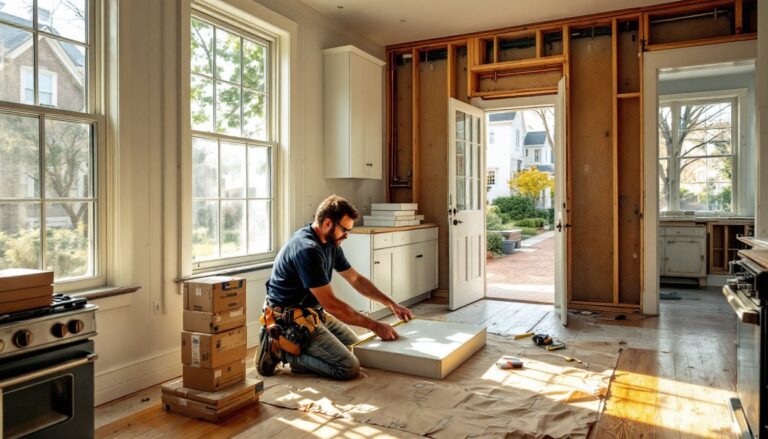
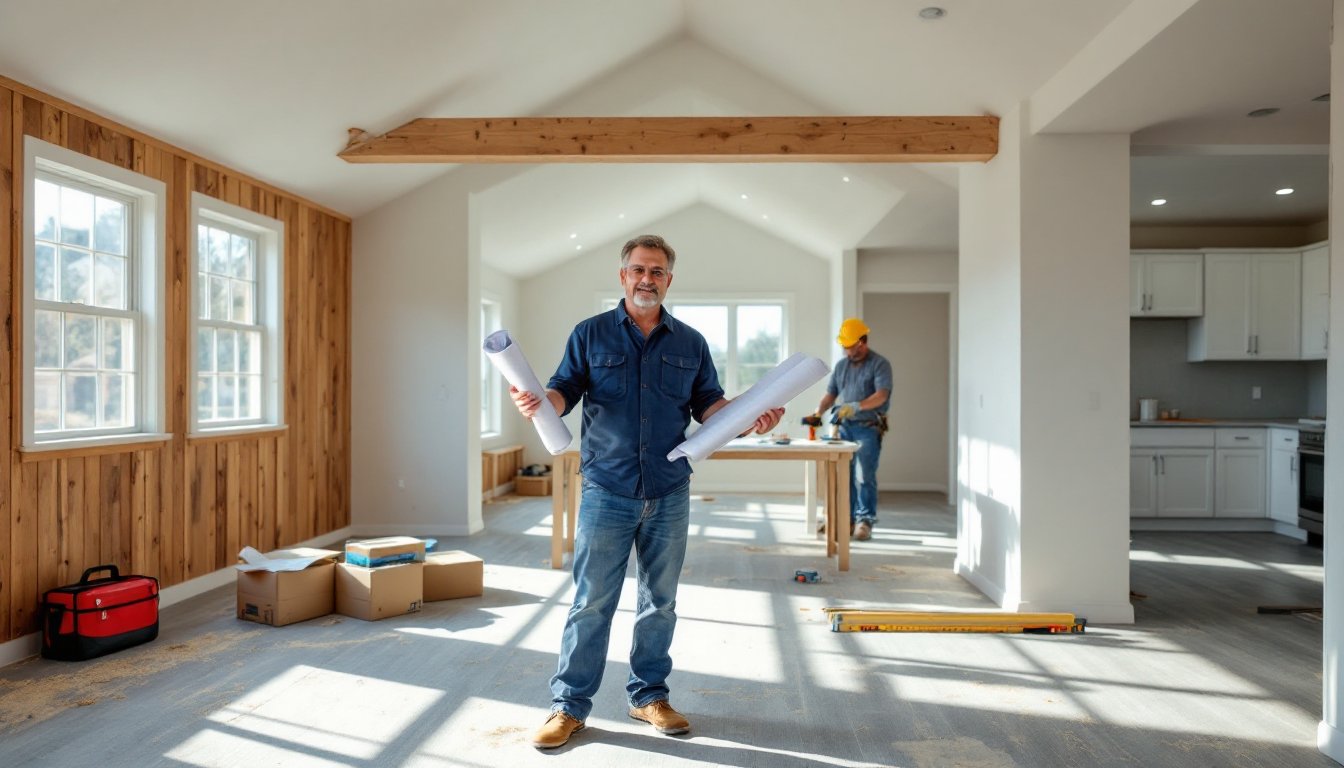
The American Dream has always included homeownership, but for many, it’s also about making that house truly their own. Home remodeling isn’t just about fixing what’s broken, it’s about reimagining spaces, increasing comfort, and building equity. Whether homeowners are planning a gut renovation or tackling a single-room refresh, understanding the scope, cost, and process behind “American Dream” remodeling projects helps set realistic expectations and avoid costly mistakes. This guide breaks down what this style of renovation really means, why it’s gained traction, and how to plan a project that delivers both function and long-term value.
Table of Contents
ToggleKey Takeaways
- American Dream home remodeling focuses on practical upgrades that increase livability and market value for middle-class homes built between the 1950s and 1990s, rather than purely aesthetic luxury finishes.
- Kitchen and bathroom remodels typically recoup 60-80% of their cost at resale, making them smart equity-building investments compared to relocating to new construction.
- Load-bearing walls in open floor plan projects require engineered beams and permits; always hire a structural engineer ($300-600) before removing walls to ensure safety and code compliance.
- Budget an additional 15-20% beyond project estimates to cover unexpected issues like rotted subfloor, outdated wiring, or plumbing problems commonly found in pre-1980s homes.
- DIY demo and finish work combined with professional rough-in for electrical, plumbing, and structural changes provides the best balance of cost savings and safety for American Dream renovations.
- Home equity loans and HELOCs typically offer better rates than personal loans or credit cards for financing remodeling projects, and interest may be tax-deductible when used for home improvements.
What Is American Dream Home Remodeling?
American Dream home remodeling refers to renovation projects designed to improve livability, modernize outdated features, and increase a home’s market value, typically focused on middle-class homes built between the 1950s and 1990s. These projects often address the gap between what a home was originally designed for and how families actually live today.
The term isn’t about luxury finishes or magazine-worthy aesthetics (though those can be part of it). It’s about practical upgrades: replacing a cramped galley kitchen with an open layout, adding a second bathroom, converting a basement into usable square footage, or updating electrical and plumbing systems that are decades old. Many of these homes were built to code at the time but lack modern conveniences like dedicated laundry rooms, home offices, or energy-efficient windows.
Unlike new construction, remodeling existing homes means working with what’s already there, foundation, framing, and layout constraints. That requires careful planning, especially when dealing with load-bearing walls, outdated wiring (knob-and-tube or aluminum), or asbestos-containing materials common in pre-1980s homes. A qualified home improvement contractor can assess these issues before demo begins.
Why Homeowners Choose American Dream-Style Renovations
Aging housing stock is a major driver. Millions of American homes were built during post-WWII suburban expansion, and many haven’t seen significant updates since the 1970s or 80s. Original fixtures, single-pane windows, and inefficient HVAC systems cost homeowners money every month in utility bills.
Homeowners also renovate to meet changing lifestyle needs. The shift to remote work accelerated demand for dedicated office spaces. Multi-generational living arrangements require accessible bathrooms or first-floor bedrooms. Families with young children want open sightlines between kitchen and living areas, not the compartmentalized layouts common in older homes.
Equity building is another motivator. Strategic remodeling can increase a home’s resale value, especially in markets where move-up buyers prefer updated homes over fixer-uppers. Kitchen and bathroom remodels typically recoup 60-80% of their cost at resale, according to national averages, though regional markets vary widely.
Finally, there’s simple cost comparison. With new home prices and mortgage rates fluctuating, renovating an existing home in an established neighborhood can be more affordable than relocating, especially when factoring in moving costs, closing fees, and the potential need for a larger mortgage.
Popular American Dream Remodeling Projects
Kitchen and Bathroom Upgrades
Kitchens remain the most common remodel target. Typical projects include replacing worn cabinetry, upgrading to quartz or granite countertops, installing modern appliances (induction cooktops are gaining ground over gas), and adding recessed lighting. Many homeowners also remove soffits, those boxy enclosures above cabinets, to gain vertical space and a cleaner look.
Cabinet options range from stock (Home Depot, Lowe’s) to semi-custom (mid-tier manufacturers like KraftMaid or Merillat) to full custom. Stock cabinets cost $60-150 per linear foot installed, while semi-custom runs $150-300, and custom can exceed $500. Most DIYers can handle cabinet installation if they’re comfortable with a drill, level, and shims, but plumbing and electrical work for sinks, dishwashers, and range hoods often require licensed pros.
Bathrooms get updated to address function and aging fixtures. Common upgrades: replacing tub/shower surrounds (tile or acrylic panels), installing low-flow toilets and faucets, upgrading vanities, and adding exhaust fans (required by IRC in enclosed bathrooms). A full bathroom remodel typically involves tile work, which most DIYers can tackle with patience and the right tools (wet saw, notched trowel, spacers). But, moving plumbing lines or altering drain stacks requires a plumber and often a permit.
Safety note: Always wear nitrile gloves, safety glasses, and a respirator when removing old tile or cutting cement backer board. Silica dust is a respiratory hazard.
Open Floor Plans and Living Spaces
Removing walls to create open-concept layouts is a hallmark of American Dream remodeling, but it’s not always straightforward. Load-bearing walls require engineered beams (LVL or steel) and temporary support during demo. This is structural work that needs a permit and often an engineer’s stamp.
Before touching any wall, identify whether it’s load-bearing. Clues: walls running perpendicular to floor joists, walls directly above basement beams, or center walls in ranch-style homes. If in doubt, hire a structural engineer ($300-600 for a site visit and letter).
Once the beam is in place, homeowners gain flexibility. Popular uses for newly opened space: kitchen islands with seating, combined living/dining areas, or sightlines from entryway to back of the house. Keep in mind that open floor plans can create acoustics and HVAC challenges, sound travels freely, and heating/cooling large open spaces is less efficient than separate rooms.
Flooring becomes a visual priority in open layouts. Consistent flooring material (engineered hardwood, luxury vinyl plank, or tile) ties spaces together. LVP (luxury vinyl plank) has become a go-to for DIYers: it’s durable, water-resistant, and click-lock systems install without glue or nails. Expect to pay $2-7 per square foot for material, depending on thickness and wear layer.
Planning Your American Dream Home Remodel: Essential Steps
Successful remodels start with clear goals and realistic scope. Homeowners should list must-haves (new countertops, second bathroom) versus nice-to-haves (heated floors, custom cabinetry). Prioritize projects that improve safety or function over purely aesthetic upgrades.
Permitting comes next. Most jurisdictions require permits for electrical, plumbing, structural, or HVAC work. Cosmetic projects (painting, flooring, cabinetry) typically don’t. Permit costs vary, $50-500 depending on project scope, but the real value is the inspection process, which catches code violations before they become insurance or resale problems. Skipping permits can void homeowner’s insurance and complicate future sales.
Design and material selection follow. Measure twice, order once. Know nominal vs. actual lumber sizes (a 2×4 is actually 1.5″ x 3.5″). Account for material waste, 10-15% extra for tile, flooring, or drywall. Lead times matter: custom cabinets can take 8-12 weeks, while stock units ship in days.
For major projects, getting multiple contractor bids is standard practice. Resources like This Old House’s contractor guides help homeowners vet candidates. Ask for references, proof of insurance (general liability and workers’ comp), and a detailed scope of work. Avoid contractors who demand full payment upfront or skip contracts.
DIY vs. Pro: Homeowners can typically handle demo (removing old cabinets, flooring, trim), painting, and finish carpentry. Hire licensed pros for gas line work, main panel upgrades, structural changes, or anything requiring inspection. A hybrid approach, DIY demo and finish work, pros for rough-in, saves money without sacrificing safety.
Budgeting and Financing Your Dream Renovation
National averages put kitchen remodels at $25,000-50,000 for a mid-range project and $60,000-100,000+ for upscale. Bathrooms run $10,000-25,000 depending on size and finishes. These numbers fluctuate by region, coastal cities and major metros run 20-40% higher than rural areas. Material costs also vary: hardwood flooring in 2026 ranges from $6-12 per square foot for red oak to $15+ for exotic species.
Unexpected costs are the norm, not the exception. Budget an additional 15-20% for surprises: rotted subfloor under old tile, outdated wiring that doesn’t meet current NEC standards, or plumbing that needs rerouting. Opening walls often reveals issues invisible during planning.
Financing options include:
- Home equity loans or HELOCs: Tap existing equity at lower rates than personal loans. Interest may be tax-deductible if used for home improvements (consult a tax advisor).
- Cash-out refinance: Replace your mortgage with a larger loan and use the difference for renovations. Only makes sense if current rates are competitive.
- Personal loans: Unsecured loans work for smaller projects ($5,000-30,000) but carry higher interest rates.
- Credit cards: Only for minor purchases or short-term financing with 0% intro APR offers. Carrying a balance at 20%+ interest defeats the purpose.
For detailed estimates, platforms like ImproveNet offer cost calculators and contractor matching based on project type and location. Always get itemized bids, lump-sum quotes make it harder to compare contractors or adjust scope mid-project.
Payment schedules typically follow a 10-50-40 structure: 10% deposit, 50% at midpoint (rough-in complete), 40% upon final completion and inspection. Never pay the full balance until punch-list items are complete and you’ve verified all work meets code.
Finally, consider the return on investment. Not every dollar spent returns at resale. Over-improving for the neighborhood (a $100,000 kitchen in a $250,000 home) rarely pays off. Focus on improvements that align with local market expectations and address functional deficiencies first.