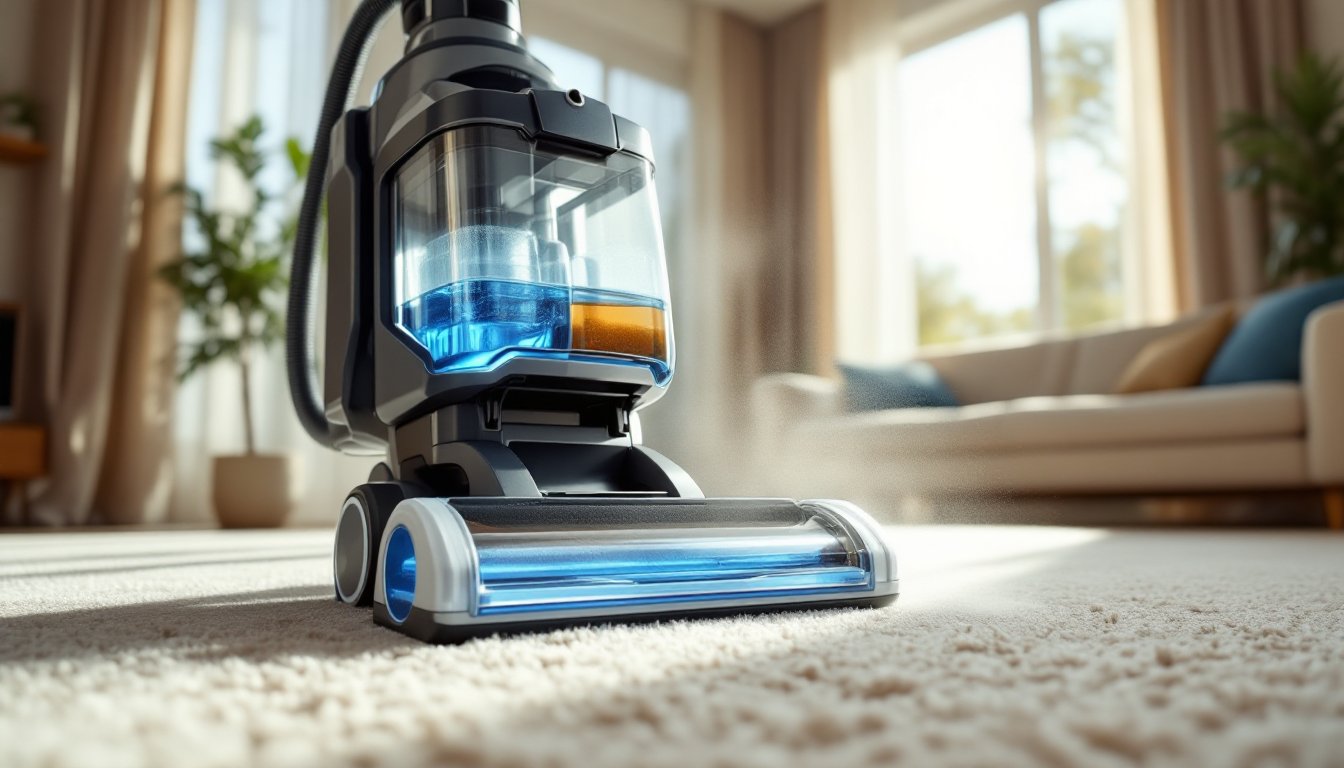
Carpet stains happen. Whether it’s red wine, muddy paw prints, or the mystery spill that appeared last Tuesday, a home carpet cleaner machine gives homeowners the ability to tackle messes without calling in professionals or renting bulky equipment. These machines use hot water extraction (sometimes called “steam cleaning”) to deep-clean fibers, remove embedded dirt, and refresh high-traffic areas. The right model can extend carpet life, improve indoor air quality, and save hundreds annually on professional cleanings. This guide breaks down the types, features, and top-rated machines for 2026, plus practical tips for getting results that rival the pros.
Table of Contents
ToggleKey Takeaways
- A home carpet cleaner machine pays for itself in just 3–4 uses compared to professional cleaning services that cost $120–$250 per visit.
- Choose an upright carpet cleaner for whole-home deep cleaning and pair it with a portable spot cleaner for stairs, pet accidents, and targeted stains.
- Built-in heat technology and strong suction power are essential features that reduce drying time to 4–6 hours and improve stain removal effectiveness.
- Pre-vacuum thoroughly, pre-treat tough stains, and use overlapping passes without over-wetting to achieve professional-quality results with your home carpet cleaner.
- Regular maintenance—rinsing tanks after each use, cleaning brush rolls weekly, and replacing filters every 6–12 months—extends machine lifespan to 10+ years.
- The Bissell ProHeat 2X Revolution and Hoover SmartWash Automatic offer the best balance of performance, ease of use, and affordability for most homeowners.
Why Invest in a Home Carpet Cleaner Machine?
Professional carpet cleaning typically costs $120–$250 per visit, depending on square footage and regional rates. A quality home machine pays for itself after three to four uses.
Beyond cost savings, owning a carpet cleaner means responding to spills immediately, before they set. Fresh stains lift far easier than dried ones. Machines also tackle allergens, pet dander, and dust mites embedded deep in carpet backing, which vacuums can’t reach.
For households with kids, pets, or high foot traffic, quarterly deep cleaning maintains appearance and extends carpet lifespan. Rental units work in a pinch, but they’re often underpowered, poorly maintained, and inconvenient to haul. A dedicated home unit sits ready in the closet.
Types of Carpet Cleaning Machines for Homeowners
Upright carpet cleaners resemble traditional vacuums but include water tanks and spray nozzles. They’re ideal for whole-home cleaning, covering large areas quickly. Most feature rotating brushes to agitate fibers and suction to extract dirty water. Trade-off: they’re heavier (15–20 lbs when full) and require more storage space.
Portable spot cleaners are compact, handheld units designed for stairs, car interiors, and targeted stains. They use the same hot water extraction method but in a smaller footprint. Perfect for pet owners who need frequent touch-ups. Limitation: slow for cleaning entire rooms.
Carpet shampooers apply foam or dry powder, which is then vacuumed away. They’re less common today because hot water extraction (used by uprights and portables) delivers deeper cleaning with less residue. Shampooers work if carpets can’t handle moisture, but most modern synthetics tolerate wet cleaning fine.
Most homeowners benefit from an upright for annual or biannual deep cleans, plus a portable spot cleaner for ongoing maintenance.
Key Features to Look for When Choosing a Carpet Cleaner
Tank capacity determines how often you’ll stop to refill clean water or dump dirty water. Upright models range from 0.75 to 1.5 gallons. Larger tanks suit whole-floor cleaning: smaller tanks mean less weight to push.
Brush roll design matters for agitation. Dual rotating brushes lift dirt better than single-row bristles. Some models offer adjustable brush speed or removable rolls for easy cleaning. Check that brushes can handle both carpet and area rugs without snagging.
Heat technology accelerates drying and improves stain removal. Built-in heaters maintain water temperature throughout the cleaning session. Without heat, tap water cools quickly, reducing effectiveness. Expect $50–$100 premium for heated models, it’s worth it.
Suction power determines drying time. Weak suction leaves carpets soggy for 12+ hours, risking mildew. Strong suction pulls most moisture out in one pass, cutting dry time to 4–6 hours with good airflow. Many cleaning tips emphasize proper ventilation during drying.
Attachments expand versatility. Look for upholstery tools, crevice nozzles, and stair attachments. These handle furniture, car seats, and vertical surfaces. Machines without attachments limit you to flat floors.
Cord length and hose reach affect mobility. A 20-foot cord and 8-foot hose let you clean a 12×15 room without unplugging. Shorter cords mean frequent outlet swaps.
Weight and maneuverability impact usability. Upright cleaners weigh 15–22 lbs empty. Add water, and you’re pushing 35+ lbs. Swivel steering and low-profile designs help navigate furniture.
Top-Rated Carpet Cleaner Machines for Home Use in 2026
Bissell ProHeat 2X Revolution remains a bestseller for good reason. Its dual DirtLifter PowerBrushes and built-in heater deliver consistent results on medium to heavily soiled carpets. The 1.0-gallon tank handles a full room before refilling. CleanShot pretreater targets tough stains, and the included upholstery tool works on furniture. Dry time averages 4–5 hours with fans running. Price sits around $200–$250, making it accessible for most budgets.
Hoover SmartWash Automatic simplifies operation with auto-cleaning mode, push forward to clean, pull back to dry. No triggers to hold. It’s ideal for first-time users or anyone with hand fatigue. The 1.25-gallon tank reduces refill frequency. Trade-off: it’s slightly heavier at 19 lbs empty. Expect to pay $180–$220.
Rug Doctor Deep Carpet Cleaner brings near-commercial power to home use. Its vibrating brush and extra-wide cleaning path (10.25 inches vs. the typical 9 inches) cut cleaning time by 15–20%. Suction rivals rental units. Downside: it’s bulky and lacks onboard attachments. Best for large, open floor plans. Runs $250–$300.
Bissell Little Green ProHeat Portable dominates the spot cleaner category. Compact at 10 lbs, it heats water, scrubs, and extracts in one handheld tool. Perfect for stairs, car mats, and pet accidents. The 48-ounce tank handles multiple spots before draining. At $100–$130, it’s an affordable add-on to an upright cleaner. Many independent cleaning reviews highlight its reliability for targeted stains.
Tineco Carpet One Cruiser represents the premium tier, featuring smart sensors that adjust water flow and suction based on soil level. Its dual-tank system prevents clean and dirty water mixing. LED display shows real-time cleaning status. At $350–$400, it’s overkill for occasional use but justified for large homes or frequent cleaners.
For most homeowners, the Bissell ProHeat 2X Revolution or Hoover SmartWash hits the sweet spot between performance, ease of use, and price. Add a portable spot cleaner if pets or kids are in the equation.
How to Use Your Carpet Cleaner Machine Effectively
Pre-vacuum thoroughly. Carpet cleaners aren’t vacuums. They extract embedded dirt and stains, not surface debris. Skipping this step clogs the machine and leaves grit behind. Spend 10 minutes vacuuming high-traffic lanes and edges.
Pre-treat stains. Spray tough spots with the machine’s pretreater or a DIY mix of equal parts white vinegar and warm water. Let sit 5–10 minutes. This breaks down protein-based stains (blood, food) and oil-based marks (grease, cosmetics).
Fill tanks correctly. Use hot tap water (not boiling, it can damage seals) and the manufacturer’s recommended cleaning solution. Over-diluting reduces cleaning power: too much soap leaves sticky residue that attracts dirt faster. Follow the fill line.
Work in overlapping passes. Push the cleaner forward slowly (about 1 foot per second) while holding the spray trigger. Pull back without spraying to extract. Overlap each pass by 2–3 inches. Rushing leaves dirty water in the carpet.
Don’t over-wet. Multiple wet passes on the same spot saturate padding, extending dry time and risking mold. One or two passes suffice for most areas. For stubborn stains, let the pretreater do the work instead of adding more water.
Empty the dirty tank frequently. When it’s half full, dump it. A full tank reduces suction efficiency. Rinse the tank after each use to prevent buildup and odor.
Ventilate during drying. Open windows, run ceiling fans, and aim box fans across the carpet. This cuts drying time in half. Avoid walking on damp carpet, footprints compress fibers and can redeposit dirt from socks or shoes. Practical home organization tips suggest planning cleanings before leaving the house for a few hours.
Maintenance Tips to Extend Your Machine’s Lifespan
Rinse tanks and hoses after every use. Dirty water left sitting grows bacteria and mildew, causing odors that transfer to carpets. Run clean water through the system for 30 seconds, then drain completely.
Clean brush rolls weekly if you use the machine regularly. Hair, carpet fibers, and debris wrap around brushes, reducing agitation. Most rolls pop out tool-free. Trim tangled material with scissors or a seam ripper.
Check and replace filters. Upright cleaners have filters in the dirty water tank area. Clogged filters cut suction by 30–40%. Rinse foam filters under tap water monthly. Replace HEPA filters per the manual (usually every 6–12 months).
Descale heating elements annually. If you have hard water, mineral buildup reduces heating efficiency. Run a 50/50 white vinegar and water mix through an empty cleaning cycle, then flush with plain water. This prevents clogs in spray nozzles.
Store with tanks empty and open. Trapped moisture promotes mold. Leave tank lids off between uses. Store the machine in a dry closet or utility room, not a damp basement.
Inspect hoses and nozzles for cracks or clogs before each use. A split hose leaks water onto your floor instead of the carpet. Clear nozzles with a toothpick if spray patterns weaken.
Use manufacturer-approved solutions. Off-brand or homemade cleaners may void warranties and can damage pumps or seals. Stick with recommended formulas or verified compatible products.
With routine care, a quality carpet cleaner runs 10+ years. Neglect shortens that to 3–4 years and leads to poor performance long before the motor dies.
Conclusion
Owning a carpet cleaner machine shifts maintenance from expensive service calls to on-demand, DIY deep cleaning. The upfront investment pays off quickly for active households, especially those with pets or kids. Choose an upright for whole-home cleaning, add a portable spot cleaner for touch-ups, and prioritize heat technology and strong suction. Follow proper technique, pre-vacuum, pre-treat, don’t over-wet, and maintain the machine with regular rinses and filter checks. With the right tool and a little elbow grease, homeowners can keep carpets looking fresh year-round without the wait or cost of professional crews.