
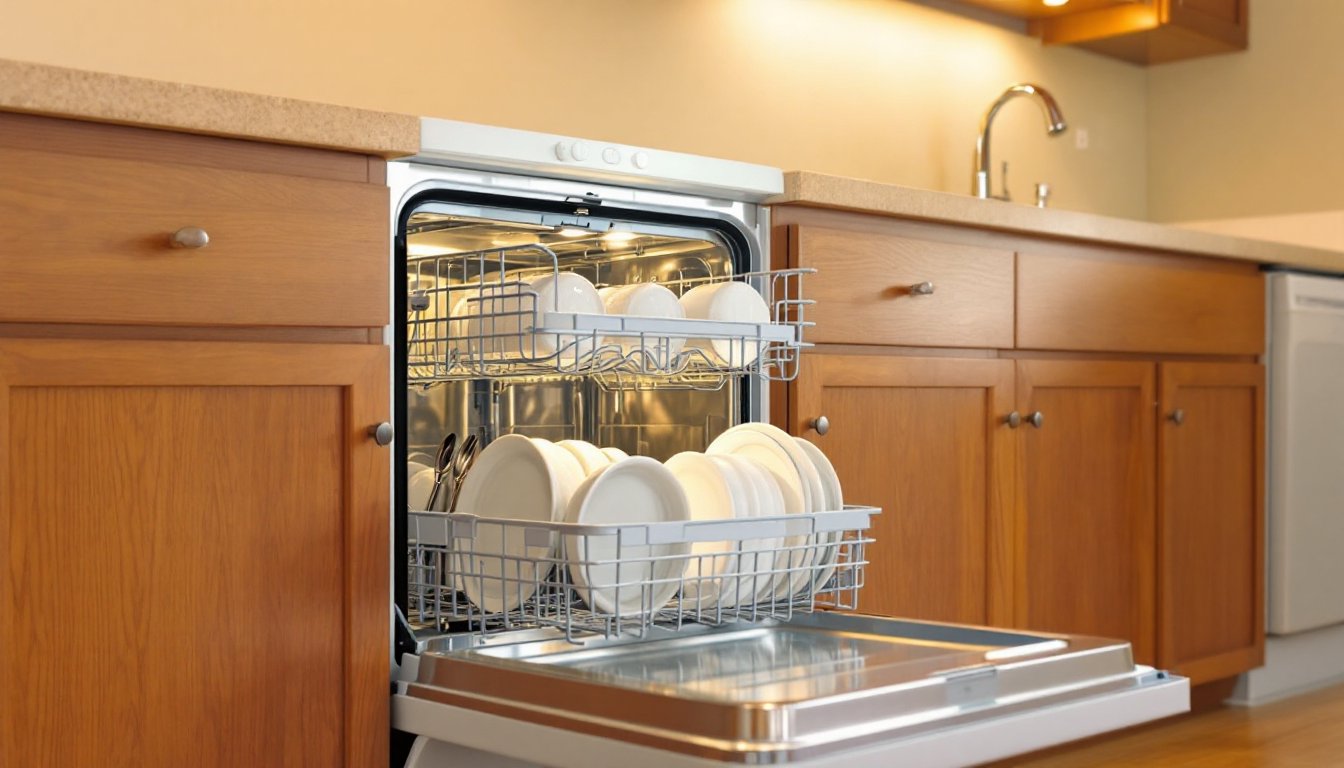
Estate dishwashers have quietly served American kitchens for decades as a straightforward, no-frills appliance option. Owned by Whirlpool Corporation, Estate products target homeowners who need reliable performance without premium pricing or complicated feature sets. If someone’s replacing a builder-grade dishwasher in a rental property, updating a starter home, or simply wants clean dishes without touchscreens and Wi-Fi connectivity, Estate delivers functional cleaning at an accessible price point. This guide walks through what makes Estate dishwashers distinct, how to choose the right model, and how to keep them running efficiently for years.
Table of Contents
ToggleKey Takeaways
- Estate dishwashers are a value-tier Whirlpool brand designed for budget-conscious homeowners and rental properties, offering reliable performance without premium features or complicated controls.
- Estate dishwashers prioritize simplicity with mechanical controls, plastic tubs, and basic 3-5 wash cycles, making them easier to repair and operate compared to high-end models.
- These units run at 60-65 dBA and are ENERGY STAR® certified, using 3.5-4.5 gallons per cycle, though they trail premium models in quiet operation and drying efficiency.
- Installation follows standard procedures with 24-inch width requirements and requires proper water, electrical, and drain connections—hiring a professional is recommended for new circuits or plumbing work.
- Regular maintenance including monthly filter cleaning, spray arm inspection, and rinse aid use significantly improves cleaning and drying performance.
- Common issues like poor cleaning, standing water, and incomplete drying are typically fixable through DIY troubleshooting such as filter cleaning and proper loading techniques.
What Is an Estate Dishwasher?
Estate is a value-tier brand under Whirlpool Corporation, positioned below Whirlpool and KitchenAid in the company’s product hierarchy. The brand focuses on entry-level to mid-range appliances, primarily dishwashers, washing machines, and dryers, sold through select retailers and often through property management suppliers.
Most Estate dishwashers are built on Whirlpool platforms, sharing core components like wash pumps, spray arms, and tub construction with their more expensive siblings. The differences show up in control panels (mechanical dials instead of digital displays), fewer wash cycle options, and simpler rack systems. Tub interiors are typically plastic rather than stainless steel, which affects drying performance and long-term durability but keeps manufacturing costs down.
Estate dishwashers are commonly found in apartment complexes, starter homes, and budget kitchen renovations. They’re designed for landlords and cost-conscious homeowners who need an appliance that works reliably for 5-8 years without bells and whistles. The brand doesn’t compete in the premium market, and that’s by design, it fills a specific niche where upfront cost and straightforward operation matter more than smart features or whisper-quiet performance.
Key Features That Set Estate Dishwashers Apart
Estate dishwashers prioritize simplicity and cost efficiency. Here’s what defines the brand:
Basic Cycle Selection: Most models offer 3-5 wash cycles, Normal, Heavy, Light, and sometimes a Rinse option. No soil sensors, no auto-adjust cycles, no steam sanitize. Users select a cycle, press start, and the machine runs a fixed program. This simplicity reduces repair complexity and makes operation intuitive for tenants or first-time appliance buyers.
Plastic Tubs: Nearly all Estate dishwashers use a polymer (plastic) tub instead of stainless steel. This reduces cost but means slower drying times and potential staining from hard water or acidic foods over time. Plastic tubs also retain heat less effectively, so dishes may still be damp at cycle end, especially plastics on the top rack.
Mechanical Controls: Expect rotary dials or push-button panels rather than touchscreens. These controls are durable and easy to replace if they fail. No Wi-Fi connectivity, no cycle status apps, just straightforward, analog operation.
Standard Rack Configuration: Two racks, fixed tines, and a removable silverware basket. No adjustable upper racks, no third rack for utensils, no fold-down tines for oversize items. The fixed layout works fine for everyday dishes but limits flexibility with large pots or stemware.
Noise Levels: Estate dishwashers typically run at 60-65 dBA, which is noticeably louder than premium models in the 40-50 dBA range. Kitchen design trends often favor open floor plans, so noise can be a consideration if the dishwasher runs during meal prep or entertaining. For closed-off kitchens or households that run cycles overnight, the noise level is less of an issue.
Energy and Water Use: Most Estate models are ENERGY STAR® certified, meeting federal efficiency standards. Expect around 3.5-4.5 gallons per cycle and roughly 270 kWh per year. These figures are competitive with other budget dishwashers but trail the most efficient models by 15-20%.
Choosing the Right Estate Dishwasher Model for Your Home
Estate’s lineup is narrow compared to brands like Bosch or KitchenAid, which simplifies the selection process. Here’s how to match a model to specific needs:
For Rental Properties and Landlords: Prioritize low upfront cost and ease of repair. Estate dishwashers use widely available Whirlpool parts, and most appliance techs can service them without specialized training. Look for models with mechanical timers and simple door latches, fewer failure points mean fewer service calls. Avoid models with electronic controls if turnover is high and tenant use is unpredictable.
For First-Time Homebuyers: An Estate dishwasher works well in a starter home where budget is tight and the appliance will see moderate use. If the kitchen sees daily cooking and full loads, expect 5-7 years of service before replacement. Plan for this appliance as a placeholder rather than a long-term investment. When comparing models, check if the unit has a heated dry option, this can significantly improve drying performance even though the plastic tub.
For Small Households: Estate dishwashers handle 2-4 people comfortably. The fixed rack layout limits capacity compared to models with adjustable upper racks, so households that cook frequently or entertain often may find themselves running extra cycles. For singles or couples who run the dishwasher 3-4 times per week, the limited capacity isn’t a problem.
Capacity Considerations: Standard Estate models hold 12-14 place settings, which is on par with most full-size dishwashers. But, the fixed tines and lack of a third rack mean bulky items like mixing bowls or sheet pans require creative loading. If someone frequently washes oversized cookware, a model with fold-down tines (available on select mid-tier Estate units) adds flexibility.
When to Upgrade Beyond Estate: If noise is a concern, especially in modern kitchen layouts where the dishwasher sits adjacent to living spaces, or if stainless steel tubs and advanced drying systems matter, consider stepping up to a mid-range Whirlpool or another brand. Estate dishwashers excel at value, not refinement.
Installation Tips for Your Estate Dishwasher
Installing an Estate dishwasher follows standard procedures for built-in dishwashers. Here’s what to know:
Rough-In Requirements: Standard opening dimensions are 24 inches wide, 24 inches deep, and 34-35 inches tall (adjustable with leveling legs). Confirm the existing cutout matches before ordering. Most Estate units have adjustable front legs to accommodate slight variations in cabinet height.
Water Supply: The dishwasher connects to a 3/8-inch compression fitting on the hot water line, typically located under the kitchen sink. Use a braided stainless steel supply line rated for appliance use, these are more reliable than plastic or rubber hoses and resist kinking. Shut off the water supply at the valve before connecting. Check local plumbing codes: some jurisdictions require an air gap or high loop in the drain line to prevent backflow.
Electrical Connection: Estate dishwashers require a dedicated 120V, 15-amp circuit. Most models use a direct-wire connection (hardwired) rather than a plug-and-cord setup. If the existing dishwasher was hardwired, the new unit can connect to the same junction box. Turn off the circuit breaker before working on electrical connections. If someone’s not comfortable working with household wiring, hire a licensed electrician, this isn’t the place to learn on the job.
Drain Connection: The drain hose connects to the garbage disposal (if present) or directly to a sink tailpiece. Secure the hose with a hose clamp to prevent leaks. If the home has a garbage disposal, knock out the drain plug inside the disposal inlet before connecting the hose, this is a common oversight that causes standing water in the dishwasher.
Leveling and Securing: Once connections are made, adjust the front legs so the dishwasher sits level front-to-back and side-to-side. Use a torpedo level on the top edge of the open door. Secure the unit to the underside of the countertop with the provided mounting brackets. This prevents tipping when the door is open and fully loaded.
Permits and Inspections: Replacing an existing dishwasher typically doesn’t require a permit if no new plumbing or electrical circuits are involved. But, codes vary by jurisdiction. If someone’s installing a dishwasher in a location where one didn’t exist before, a permit may be required for the new water and electrical lines. Check with the local building department before starting work.
When to Call a Pro: If the installation involves running new water lines, adding a dedicated circuit, or modifying cabinetry, hire a licensed plumber and electrician. The appliance itself is straightforward, but the rough-in work requires code compliance and proper permits.
Maintenance and Troubleshooting Common Issues
Estate dishwashers are mechanically simple, which makes maintenance and repairs more approachable for DIYers. Here’s how to keep the unit running and address common problems.
Routine Cleaning and Care
Monthly Filter Cleaning: The filter assembly sits at the bottom of the tub, usually a cylindrical mesh filter that twists out. Remove it monthly and rinse under hot water to clear food particles and grease. A clogged filter reduces cleaning performance and can cause drainage issues. For heavy use or homes with hard water, clean the filter every two weeks.
Spray Arm Inspection: Check the lower and upper spray arms quarterly. Remove them (most lift off or unscrew) and clear any debris from the spray holes using a toothpick or small wire. Mineral buildup from hard water can clog these holes, leading to poor cleaning on specific rack positions.
Door Gasket Maintenance: Wipe down the rubber door gasket with a damp cloth monthly to prevent mold and food buildup. Inspect for cracks or tears, a damaged gasket allows leaks. Replacement gaskets are inexpensive and available through appliance parts suppliers.
Detergent and Rinse Aid: Use powdered or tablet detergent designed for automatic dishwashers. Avoid dish soap, it creates excessive suds and can damage the pump. Fill the rinse aid dispenser to improve drying performance, especially important with plastic tubs. Rinse aid helps water sheet off dishes rather than forming droplets.
Hard Water Treatment: If the home has hard water (above 7 grains per gallon), consider adding dishwasher cleaner tablets monthly to remove mineral deposits. Products like Affresh or Finish Dishwasher Cleaner run through an empty cycle and help maintain spray arm and pump efficiency. Installing a whole-house water softener is the long-term solution, but that’s a separate project.
Fixing Common Problems
Dishwasher Won’t Start: Check the door latch, Estate models use a mechanical latch that activates a switch. If the door doesn’t close firmly, the cycle won’t start. Inspect the latch and strike plate for damage. Verify the circuit breaker hasn’t tripped. If the control panel lights up but the unit doesn’t start, the door switch or timer may need replacement.
Poor Cleaning Performance: First, clean the filter and spray arms. Next, check water temperature, dishwashers need 120°F water for effective cleaning. Run the kitchen faucet until hot water flows before starting a cycle to purge cold water from the supply line. Overloading the racks or blocking spray arms with large items also reduces cleaning effectiveness. According to recent appliance testing, proper loading and pre-rinsing (just scraping, not washing) significantly impact results.
Standing Water in the Bottom: This usually indicates a clogged filter, kinked drain hose, or clogged garbage disposal. Check the filter first, then verify the drain hose isn’t pinched behind the unit. If the home has a garbage disposal, run it to clear any blockage, a full disposal can back up into the dishwasher drain. If water still won’t drain, the drain pump may be failing.
Leaking Water: Inspect the door gasket for damage. Check that the dishwasher is level, a unit that tilts forward can leak during the wash cycle. Verify the spray arms aren’t loose or misaligned, causing water to spray outside the tub. If water leaks from underneath, the door gasket, pump seal, or a supply line connection may be faulty. Turn off the water supply and address leaks immediately to prevent floor damage.
Unusual Noises: A grinding sound often means hard food particles or broken glass in the pump housing. Remove the lower spray arm and filter, then inspect the sump area at the bottom of the tub. Use a flashlight and remove any debris carefully, wear gloves to avoid cuts from glass shards. A rattling noise during the wash cycle can indicate a loose spray arm or an item that’s fallen through the rack and is bouncing around.
Dishes Not Drying: Plastic tubs and lack of a heated dry option (on some models) mean dishes may still be wet at cycle end. Open the door slightly after the cycle completes to let steam escape. Using rinse aid improves drying performance. If the heating element isn’t working (on models equipped with one), test it with a multimeter, resistance should read between 15-30 ohms. A broken heating element requires replacement.