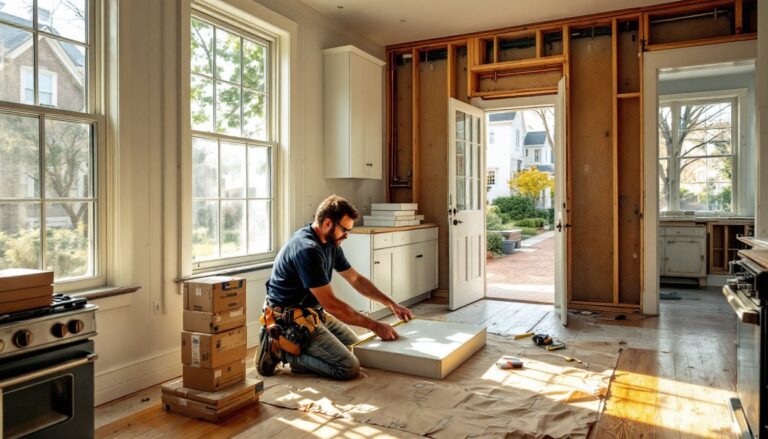
Remodeling trends shift fast, but 2026 brings practical changes that matter for resale value, daily living, and energy bills. Homeowners are ditching cookie-cutter updates in favor of personalized spaces that work harder, think kitchens that double as home offices, bathrooms designed like wellness centers, and materials chosen for longevity, not just looks. Whether planning a full gut job or weekend refresh projects, understanding what’s gaining traction helps prioritize where to invest time and money. This year’s trends blend function with bold design moves, making rooms adaptable without sacrificing style.
Table of Contents
ToggleKey Takeaways
- Home remodeling trends in 2026 prioritize multi-functional, personalized spaces that blend bold design with practical upgrades for improved daily living and resale value.
- Energy-efficient renovations—including insulation upgrades, Energy Star windows, and solar integration—deliver high ROI and reduce heating costs by 20-30% while supporting sustainability goals.
- Flexible zoning, home office integration, and dual-purpose kitchen islands adapt modern homes without permanent walls, meeting evolving work-from-home and lifestyle needs.
- Statement design elements like jewel-tone cabinetry, large-format tile backsplashes, and spa-inspired bathrooms with heated floors add visual impact while durable materials like quartz and porcelain tile maintain long-term value.
- Smart home technology—including programmable thermostats, voice-controlled lighting, and wired security cameras—is now standard in buyer expectations and should be planned during remodels.
- Intentional material and fixture choices that prioritize function, durability, and waterproofing outperform purely trendy selections and prevent costly rework during home remodeling projects.
Sustainable and Eco-Friendly Renovations
Energy efficiency isn’t just a talking point anymore, it’s driving material choices and construction methods. Homeowners are specifying reclaimed lumber, recycled glass countertops, and low-VOC paints not only for environmental reasons but because these materials often outperform conventional options in durability.
Insulation upgrades remain one of the highest-ROI projects. Spray foam or dense-pack cellulose in attics and rim joists cuts HVAC costs noticeably, especially in older homes with minimal R-value. Pair that with Energy Star-rated windows (look for U-factors below 0.30 in cold climates) and you’ll reduce heating loads by 20-30% in many cases.
Water conservation is showing up in spec sheets too. Dual-flush toilets (1.1/1.6 GPF) and low-flow shower heads (1.5-2.0 GPM) meet code in most jurisdictions and don’t sacrifice performance like older models did. Greywater systems for landscape irrigation are becoming more common where local ordinances allow, though they require plumbing permits and professional installation.
Solar integration is simpler now. Modern solar shingles (like GAF Timberline Solar) blend with rooflines better than rack-mounted panels, though they cost more per watt installed. If re-roofing anyway, it’s worth running numbers on integrated systems. Many utilities still offer net metering, and federal tax credits remain at 30% through 2032.
Multi-Functional Spaces for Modern Living
Open floor plans dominated for years, but 2026 sees a shift toward flexible zoning, spaces that adapt without permanent walls. Sliding barn doors on ceiling-mounted tracks, acoustic room dividers, and strategically placed built-ins create definition while keeping sight lines open.
Home offices aren’t going away. Successful setups include dedicated 20-amp circuits for equipment, task lighting on dimmer switches, and sound-dampening measures like acoustic panels or dense drywall (5/8″ Type X). A solid-core door makes a real difference in noise control if the office shares a wall with living areas.
Mudrooms are being retrofitted into homes that never had them. Even a 4×6-foot space near the main entry can accommodate bench seating with cubbies below, wall-mounted hooks at kid and adult heights, and a small closet for coats. Use moisture-resistant flooring like luxury vinyl plank or sealed concrete, both handle wet boots and are easy to clean.
Kitchen islands now pull double duty with built-in desks, charging stations, or wine fridges on the back side. When framing an island, plan for outlets every 48 inches per NEC 210.52(C)(5) and consider running conduit for future tech upgrades. Butcher block or quartz work well for mixed-use surfaces: laminate shows wear faster under daily laptop abuse.
Bold Kitchen Design Choices
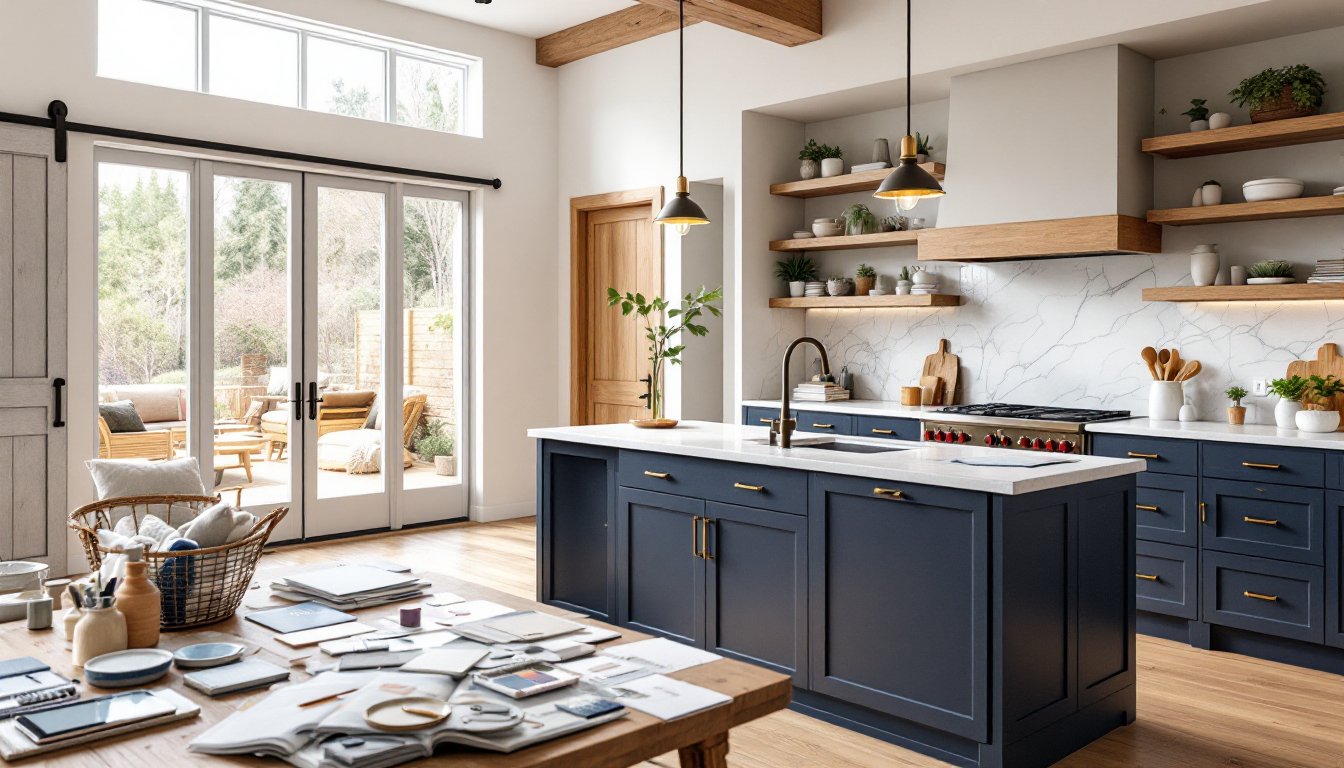
White kitchens are fading. 2026 leans into jewel-tone cabinetry, navy, forest green, charcoal, paired with warm metals like brass or aged bronze hardware. These finishes hide fingerprints better than brushed nickel and age gracefully.
Two-tone cabinets add depth without overwhelming. A common approach: darker lowers (paint-grade maple with conversion varnish) and lighter uppers or open shelving. This also helps small kitchens feel less boxy. Paint cabinets with waterborne alkyds (Benjamin Moore Advance, Sherwin-Williams Emerald Urethane) for a factory-like finish that holds up to scrubbing.
Integrated appliances continue gaining ground. Panel-ready dishwashers and refrigerators create cleaner lines, though they often cost 20-30% more than standard models. Make sure cabinet depths accommodate the extra bulk, integrated fridges need at least 24″ depth plus clearance for doors.
Considering curated kitchen design ideas reveals how lighting layers, under-cabinet LEDs, pendant fixtures over islands, and recessed cans on separate switches, transform functionality at different times of day.
Statement Backsplashes and Open Shelving
Large-format tile backsplashes (12×24″ or slab-style) reduce grout lines and speed installation. Porcelain slabs can run floor-to-ceiling behind ranges for a dramatic focal point. Use leveling clips during install to avoid lippage, anything over 1/16″ catches the eye on big tiles.
Patterned cement tiles still hold appeal, but they need penetrating sealers (two coats minimum) to resist staining from grease and tomato sauce. Seal before grouting and reseal annually in high-use areas.
Open shelving only works if you’re honest about clutter tolerance. Floating shelves look clean but need solid blocking behind drywall, use 2×6 or 2×8 blocking between studs during framing, or toggle bolts rated for 100+ lbs if retrofitting. Display everyday dishes and glassware: store the mismatched stuff behind closed doors.
Spa-Inspired Bathroom Retreats
Primary bathrooms are becoming wellness spaces, not just utilitarian rooms. Heated floors, steam showers, and soaking tubs show up in mid-range remodels now, not just luxury builds.
Radiant floor heating (electric mats under tile) costs roughly $8-$12 per square foot installed and transforms cold mornings. Install mats over cement board or uncoupling membrane (Schluter DITRA-HEAT) for crack prevention. Wire to a programmable thermostat so floors warm up before you wake.
Walk-in showers with curbless entries meet aging-in-place codes and look modern. They require careful waterproofing, slope the entire bathroom floor toward the drain at 1/4″ per foot minimum, and use a linear drain along one wall for easier drainage. Expect to lower floor joists or build up surrounding areas: this isn’t a DIY project unless you’ve done tile work before.
Freestanding tubs are trendy but check floor load capacity first. A 60″ cast iron tub filled with water and a person can exceed 800 lbs. Most modern homes with 2×10 joists at 16″ O.C. handle this fine, but older homes with 2×6 joists may need reinforcement, hire a structural engineer if uncertain.
Tracking expenses early matters. Using a bathroom remodel cost estimator before demo prevents budget creep during fixture selection. Materials like quartz countertops and porcelain tile in neutral palettes hold value better than overly trendy choices. Wall-mounted faucets and floating vanities create clean lines and make floor cleaning easier, though wall-mounted fixtures require blocking installed during framing.
Smart Home Integration and Technology
Smart tech is moving from novelty to expectation. Buyers now ask about smart thermostats, video doorbells, and whole-home lighting controls during showings.
Smart thermostats (Ecobee, Nest, Honeywell) require a C-wire (common wire) for continuous power. Many older HVAC systems lack this, you can add one by running 18/5 thermostat wire from the furnace, or use a C-wire adapter if you’re comfortable with low-voltage wiring. Installation takes 30-45 minutes and pays back in energy savings within a year in most climates.
For smart lighting, start with high-use areas like kitchens and living rooms. Wi-Fi switches (Lutron Caseta, Leviton Decora Smart) replace standard switches and don’t require special bulbs. If you have three-way switches, check compatibility, some smart switches need a neutral wire in the box, which isn’t always present in older homes. Running new wire through finished walls is tedious: consider battery-powered Pico remotes as an alternative.
Voice-controlled assistants integrate with most systems now, but plan speaker placement during remodels. Recessed ceiling speakers wired back to a central amp sound better than countertop units, though they add $600-$1,200 to a kitchen or bathroom project.
Security cameras and smart locks make sense at entry points. Wired cameras (PoE or Power over Ethernet) offer better reliability than Wi-Fi models and don’t drop connection when the router resets. Run Cat6 cable during any wall-opening projects, it’s cheap insurance for future upgrades. Following expert home renovation tutorials helps with proper wire routing and code-compliant installation methods.
Conclusion
Remodeling in 2026 rewards intentional choices over impulse buys. Prioritize projects that improve daily function, better insulation, flexible spaces, durable materials, before chasing purely aesthetic trends. Mix bold design moves, like statement backsplashes or jewel-tone cabinets, with practical upgrades such as smart thermostats and water-saving fixtures. The best renovations feel personal, perform reliably, and hold value when it’s time to sell.