
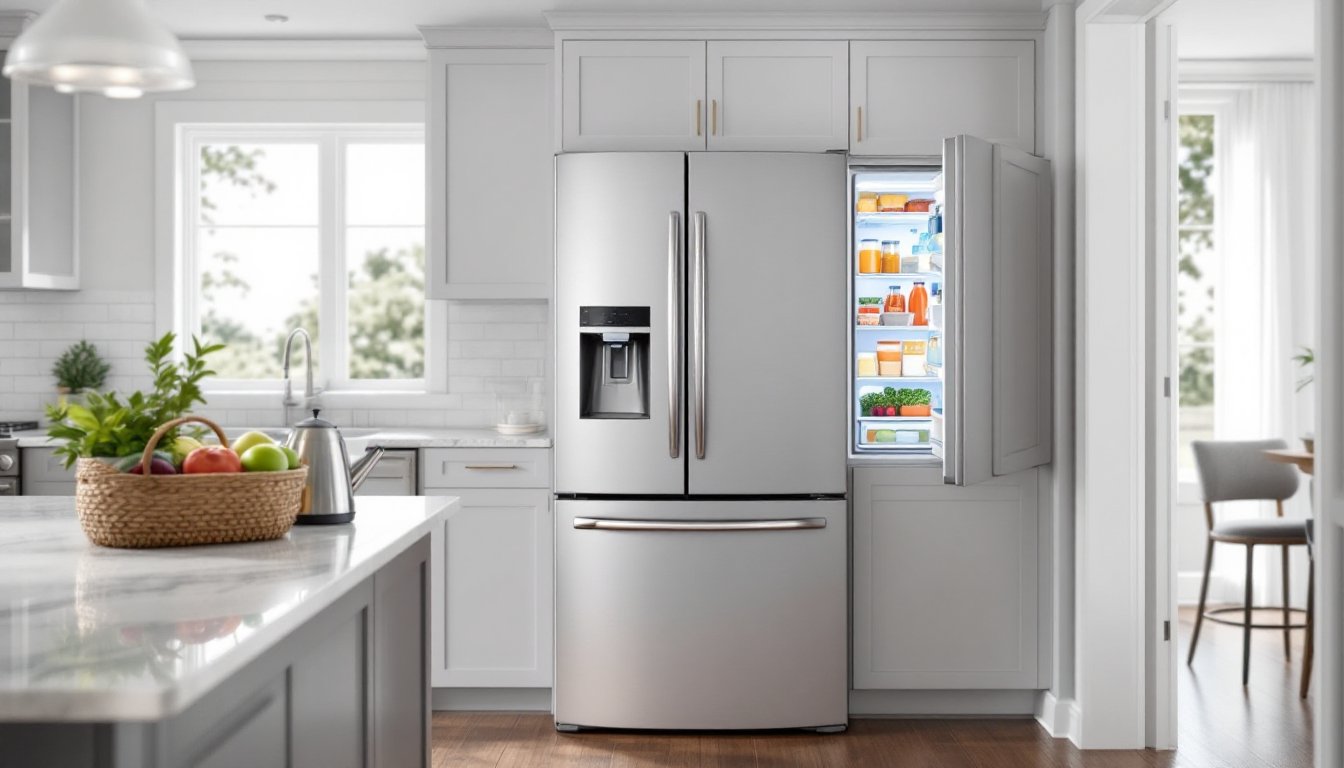
Upgrading to a large home refrigerator isn’t just about more shelf space, it’s about rethinking how a kitchen functions. Whether planning for a growing family, frequent entertaining, or simply tired of playing Tetris with grocery bags, a bigger fridge can solve real problems. But it also introduces new challenges: Will it fit through the doorway? Does the electrical circuit need an upgrade? And how much will it cost to run? This guide walks through the practical considerations, from measuring the space to understanding energy ratings, so homeowners can make an well-informed choice without costly surprises.
Table of Contents
ToggleKey Takeaways
- A large home refrigerator typically offers 25+ cubic feet of capacity and includes advanced features like dual temperature zones, smart connectivity, and specialized storage that reduce food waste and improve kitchen organization.
- Proper measurement of your space, doorways, and the delivery path is critical—large fridges are often 35–36 inches wide while standard doorways are only 32 inches, requiring careful planning or door removal during installation.
- Energy costs for large refrigerators average $96–$128 annually (versus $64–$80 for smaller models), but ENERGY STAR-certified units and inverter compressors can reduce consumption by 10–20% and save $20–$40 per year.
- Electrical and plumbing preparation matters: large models require a dedicated 120-volt circuit (15–20 amps) and a 1/4-inch water line for ice makers and dispensers to avoid nuisance breaker trips.
- DIY installation saves $50–$150 and requires leveling the unit correctly, waiting 4+ hours if transported on its side for compressor oil to settle, and maintaining 1–2 inches of rear clearance for proper ventilation.
What Qualifies as a Large Home Refrigerator?
In appliance terms, a large refrigerator typically refers to models with 25 cubic feet or more of interior capacity. Standard-depth units usually range from 25 to 28 cubic feet, while counter-depth models, which sit flush with cabinetry, offer slightly less due to their shallower profile, typically 22 to 24 cubic feet.
Physical dimensions matter as much as capacity. Most large fridges stand 68 to 70 inches tall, 35 to 36 inches wide, and 29 to 34 inches deep (not including door handles or hinges, which can add another 2 to 3 inches). French door and side-by-side configurations dominate this size category, with four-door models becoming more common in premium lines.
It’s worth noting that nominal capacity (the advertised number) differs from usable space. Ice makers, crisper drawers, and shelf supports all eat into that total. A 27-cubic-foot fridge might deliver closer to 24 cubic feet of actual storage once you account for hardware and airflow requirements.
Top Benefits of Upgrading to a Large Refrigerator
The most obvious advantage is storage capacity. Bulk shopping at warehouse clubs, meal prepping for the week, or storing holiday leftovers all become easier. Large models often include dedicated zones, full-width deli drawers, adjustable shelving, and separate temperature controls for produce and meat, that help organize food more efficiently than cramming everything into a smaller unit.
Another benefit: fewer trips to the grocery store. With more room for fresh produce, dairy, and proteins, households can stock up less frequently, which saves time and can reduce impulse purchases. Many users of top-performing refrigerators report better food visibility, which cuts down on waste from forgotten items shoved to the back.
Large refrigerators also tend to include advanced features as standard equipment: water and ice dispensers, humidity-controlled crispers, smart connectivity for temperature alerts, and even built-in cameras that let you check contents from your phone. These aren’t just gimmicks, they’re tools that help manage a busy kitchen more effectively.
Key Features to Look for in a Large Refrigerator
Start with configuration. French door models offer wide shelves and easy access to fresh food at eye level, with a freezer drawer below. Side-by-side units split the fridge and freezer vertically, which works well for narrow kitchens but limits shelf width, forget fitting a full-size pizza box on one side. Four-door models (sometimes called quad-door or double-drawer) add flexibility but come at a premium price.
Shelving adjustability matters more than most people realize. Look for spill-proof glass shelves that contain leaks and slide-out or flip-up sections that accommodate tall items like wine bottles or sheet cakes. Wire shelves are cheaper but harder to clean.
Temperature management separates mediocre fridges from great ones. Dual evaporators (one for the fridge, one for the freezer) prevent odor transfer and maintain more consistent humidity. Digital controls with degree-by-degree adjustment beat analog dials for precision. Some models now include air purification systems or ethylene gas filters to extend produce life.
Don’t overlook door storage. Gallon-size bins, adjustable door shelves, and dedicated dairy compartments can make or break daily usability. And if the household drinks a lot of filtered water, check the dispenser flow rate, cheap models dribble: good ones fill a pitcher in under 30 seconds.
Measuring Your Space and Preparing for Installation
This is where most DIY installs go sideways. Measure three times: the space where the fridge will live, the delivery path (doorways, hallways, stairwells), and the fridge itself.
For the installation space, measure height, width, and depth, then subtract clearances. Most manufacturers recommend 1 inch on each side, 1 inch on top, and 1 to 2 inches in back for ventilation. Counter-depth models need less rear clearance but still require airflow. Check the floor levelness with a 4-foot level, an unlevel fridge won’t seal properly and can cause premature compressor failure.
For the delivery path, measure the narrowest point. Standard interior doorways are 32 inches wide, but fridges are often 35 to 36 inches. You may need to remove doors (both the fridge doors and interior house doors) or even hinges to thread it through. Exterior doors are typically 36 inches, which helps, but don’t forget to measure diagonally through the opening, that’s often the limiting dimension.
Electrical and plumbing prep comes next. Large fridges typically draw 15 to 20 amps and require a dedicated 120-volt circuit. If the existing outlet is shared with other appliances, consider having an electrician run a new line, it’s not expensive and prevents nuisance breaker trips. For ice makers and water dispensers, you’ll need a 1/4-inch water line. Copper is reliable but pricier: braided stainless is easier to install and less prone to kinking than plastic.
Finally, check flooring. Laminate and vinyl can dent under the weight of a loaded fridge (which can exceed 400 pounds). If replacing flooring soon, do it before the fridge arrives, you don’t want to move a giant appliance twice.
Energy Efficiency Considerations for Larger Models
Bigger doesn’t always mean a bigger electric bill, but it’s close. A large refrigerator typically consumes 600 to 800 kWh per year, compared to 400 to 500 kWh for a standard 18-cubic-foot model. At the national average of $0.16 per kWh, that’s roughly $96 to $128 annually for a large unit versus $64 to $80 for a smaller one.
Look for the ENERGY STAR certification, which indicates the model uses at least 10% less energy than federal minimums. Some newer models beat the standard by 20% or more, which can save $20 to $40 per year. Over a 15-year lifespan, that adds up.
Inverter compressors (also called variable-speed compressors) are the biggest efficiency upgrade in recent years. Unlike traditional compressors that run full-blast then shut off, inverters modulate speed based on cooling demand, which reduces energy use and wear. They’re quieter, too, an often-overlooked benefit in open-plan kitchens.
Door configuration impacts efficiency more than most buyers realize. French door models with a single compressor can lose more cold air when opened than side-by-side models, since the entire fresh-food section is exposed. Four-door designs minimize this by isolating frequently accessed zones. If the household includes kids who stand with the door open, this matters.
Placement affects efficiency as well. A fridge next to an oven or in direct sunlight works harder to stay cool. If that’s unavoidable, ensure the rear clearance exceeds the minimum so heat can dissipate. And yes, cleaning the condenser coils twice a year, usually behind a kick plate at the bottom, can improve efficiency by 5% to 10%. It takes 10 minutes with a vacuum and a coil brush.
DIY Installation Tips and Common Challenges
Most appliance retailers offer delivery and basic installation, but doing it yourself saves $50 to $150 and gives you control over the process. You’ll need an appliance dolly (rent one for $20 if you don’t own it), moving straps, a level, and an adjustable wrench for the water line.
Start by removing the old fridge. Unplug it, disconnect the water line (have a bucket ready, there’s always residual water), and use the dolly to wheel it out. If it’s tight, remove the fridge doors by unscrewing the top hinge, most come off with a 1/4-inch hex key or Phillips head.
For the new unit, leave it upright for at least 4 hours if it was transported on its side. Oil from the compressor needs to settle, or you risk damaging the unit on first startup. Position it near the final spot, level the front legs first (they should be slightly higher than the rear so the door swings shut on its own), then slide it into place.
Attaching the water line is straightforward: turn off the supply valve, thread the compression fitting onto the fridge inlet (hand-tight plus a quarter turn with a wrench), then turn the water back on and check for leaks. Many modern smart home devices, including those reviewed on technology comparison sites, now include leak sensors that can alert you to problems before they cause damage.
The trickiest part? Getting it level side-to-side and front-to-back. Use shims under the rear if needed, but don’t overdo it, too much tilt and the door won’t seal. Most manufacturers include a leveling guide in the manual: follow it.
Common mistakes: Not securing the anti-tip bracket if the fridge is freestanding (it prevents tipping if kids climb the shelves), forgetting to remove shipping bolts or foam inserts from inside compartments, and plugging it in before the compressor oil settles. Also, don’t push it flush against the wall, remember that 1- to 2-inch rear clearance.
Conclusion
Choosing and installing a large refrigerator involves more than picking the shiniest model at the store. It requires careful measurement, understanding of energy trade-offs, and attention to installation details that prevent headaches later. Done right, a well-chosen large fridge becomes the workhorse of the kitchen, storing more, wasting less, and handling the demands of a busy household for a decade or more. Take the time to plan the upgrade properly, and the payoff is a kitchen that works better every single day.