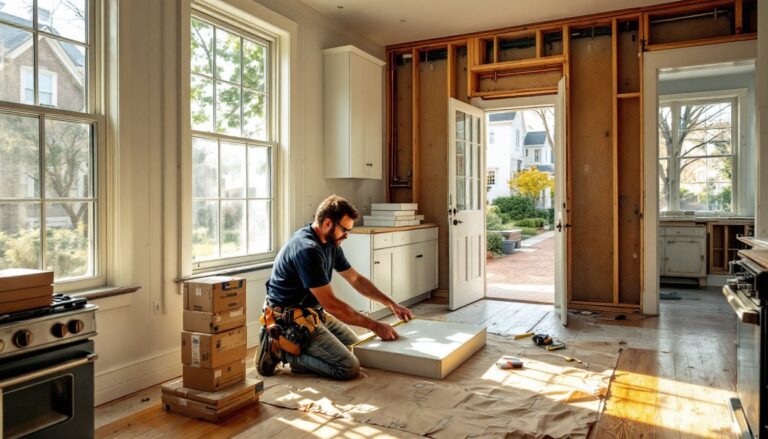
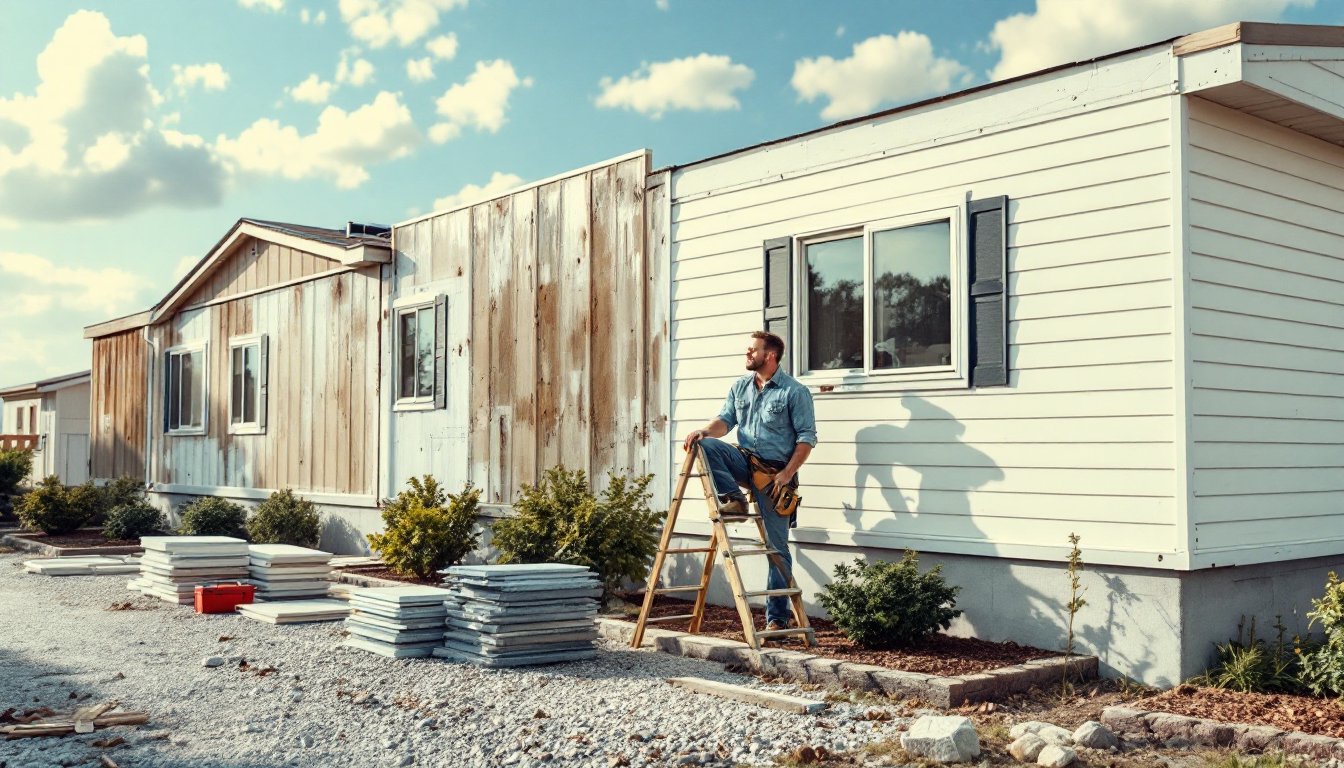
Older mobile homes often suffer from weathered siding, outdated trim, and that unmistakable “double-wide” look. But with smart planning and the right materials, a dated exterior can be transformed into something that rivals site-built homes, without very costly. An exterior remodel isn’t just cosmetic, either. Upgrading siding, windows, and roofing improves energy efficiency, reduces maintenance headaches, and can significantly boost resale value. Whether you’re preparing to sell or planning to stay put for years, tackling the outside of an older mobile home is one of the most impactful upgrades you can make.
Table of Contents
ToggleKey Takeaways
- An old mobile home exterior remodel improves energy efficiency, reduces maintenance, and significantly boosts resale value through upgrades to siding, windows, and roofing.
- Modern siding materials like vinyl, fiber cement, and engineered wood offer superior weather resistance and durability compared to original thin metal or vinyl panels from pre-2000s homes.
- Replacing single-pane windows with dual-pane, Low-E units can reduce energy loss by 25–30%, resulting in meaningful savings on heating and cooling bills.
- Address structural issues such as soft spots, rust, and moisture damage before cosmetic work to prevent covering up rot and future deterioration.
- Budget 10–15% more than initial estimates to account for hidden water damage and surprises when remodeling a mobile home exterior.
- Finish the exterior transformation with landscaping, trim upgrades, and entry additions like porches to enhance curb appeal and integrate the home into the neighborhood.
Why Remodeling Your Mobile Home Exterior Is Worth the Investment
Mobile homes built before the mid-2000s typically feature thin metal or vinyl siding, single-pane windows, and minimal insulation. These characteristics lead to higher heating and cooling costs, frequent water damage, and an appearance that screams “1980s trailer park.”
Upgrading the exterior addresses all three issues. Modern siding materials, whether vinyl, fiber cement, or engineered wood, offer better weather resistance and require far less maintenance than original metal panels. Replacing old windows with dual-pane, Low-E units can cut energy loss by 25–30%, which translates to real savings on utility bills. And from a financial standpoint, curb appeal matters. Appraisers and buyers often judge mobile homes harshly based on exterior condition alone, so even modest cosmetic improvements can yield a strong return.
There’s also the practical side: many older mobile homes sit on rented land, and an exterior facelift can help negotiate better lease terms or satisfy park requirements. If you own the land, a sharp-looking exterior integrates the home into the neighborhood rather than standing out as “that trailer.”
Planning Your Mobile Home Exterior Makeover
Start with a thorough walk-around inspection. Look for soft spots in walls, rust stains, gaps around windows, and any sagging roofline. Mobile homes use a steel frame and wood studs, but the belly board and vapor barrier underneath can deteriorate, leading to moisture wicking up into walls. Address structural issues before cosmetic work, otherwise, you’re just covering up rot.
Measure everything. Mobile home dimensions aren’t always standard: a “single-wide” might be 14 or 16 feet across, and lengths vary. Knowing exact measurements helps when ordering materials and avoids expensive mistakes. If you’re planning to add or replace siding, note that most mobile homes have a metal frame with wood or metal studs on 16-inch centers, but some older models use different spacing.
Check local codes and park rules. Some manufactured home communities have restrictions on exterior materials, colors, or structural additions like decks and porches. If you’re adding square footage or making major structural changes, a building permit may be required, even on a mobile home. When it comes to home renovation cost guides, budget 10–15% more than your initial estimate to cover surprises like hidden water damage or additional framing.
Budget-Friendly Siding Options for Older Mobile Homes
Replacing siding is the single most dramatic exterior upgrade. Here are the top options, ranked by cost and durability:
Vinyl Siding: The most budget-friendly choice, running $2–$4 per square foot installed. It’s lightweight, doesn’t require painting, and comes in dozens of colors and textures. Look for panels rated for wind resistance (110+ mph zones) and UV protection. Vinyl can crack in extreme cold, so if you’re in a northern climate, choose thicker gauges (.044 inch or higher).
Fiber Cement (like James Hardie): Costs $6–$10 per square foot but offers superior durability and a more upscale look. It resists rot, insects, and fire, and holds paint better than vinyl. The downside? It’s heavy, which can be a concern on older mobile home frames. You may need to reinforce studs or add blocking. Fiber cement also requires periodic repainting, figure every 10–15 years.
Engineered Wood (LP SmartSide): Falls between vinyl and fiber cement in cost ($4–$7 per square foot) and performance. It’s treated to resist moisture and termites, looks like real wood, and weighs less than fiber cement. It’s a solid middle-ground option if you want the appearance of traditional lap siding without the weight or maintenance of solid wood.
Board and Batten or Vertical Panels: These styles can modernize a boxy mobile home silhouette. They’re available in vinyl, metal, and fiber cement. Vertical orientation also sheds water more effectively than horizontal lap siding, which matters in high-rainfall areas.
Before installing any siding, wrap the exterior with house wrap or a moisture barrier like Tyvek. Mobile homes often lack proper drainage planes, so this step is critical to prevent future rot.
Upgrading Windows, Doors, and Entry Points
Old mobile home windows are notoriously leaky and flimsy. Most use single-pane glass in aluminum frames, with minimal weatherstripping. Replacing them isn’t as simple as swapping in standard residential windows, mobile home windows are often outswing or jalousie-style, and opening sizes don’t match site-built standards.
You have two routes: buy mobile home–specific replacement windows (available from suppliers like Kinro or Elixir), or reframe openings to accept standard residential units. The first option is faster and cheaper ($150–$300 per window): the second gives you more style choices and better energy performance but requires carpentry skills and costs more ($300–$600 per window installed).
Look for windows with Low-E coatings and argon or krypton gas fills. These features dramatically improve insulation without adding bulk. If you’re in a hurricane or high-wind zone, consider impact-resistant glass or storm shutters.
Entry doors are another weak point. Original mobile home doors are often hollow-core with thin frames. Upgrade to a fiberglass or steel entry door with a polyurethane foam core. These cost $200–$600 and offer far better insulation and security. Make sure the door is properly flashed and sealed, use a high-quality exterior sealant like OSI Quad Max around the frame.
Don’t forget the bottom of the home. Skirting hides the undercarriage and improves energy efficiency by blocking wind. Vinyl lattice is cheap but flimsy: consider cement board, brick veneer, or engineered skirting panels designed for mobile homes. Proper ventilation is required by code, install vents every 150 square feet of skirting to prevent moisture buildup.
Roof Repairs and Replacement Considerations
Mobile home roofs come in two basic types: flat (or low-slope) with a metal or rubber membrane, and pitched roofs added during construction or later upgrades. If you have a flat roof with a metal or TPO membrane, inspect for rust, seam separation, and ponding water. These roofs can often be recoated with elastomeric sealant or a rubberized coating to extend their life 5–10 years.
If you’re ready for a full replacement, consider installing a pitched roof over the existing structure. This is a bigger investment ($4,000–$12,000 depending on size and materials) but transforms the home’s appearance and allows you to use standard asphalt shingles, which are easier to repair and more aesthetically appealing. A pitched roof also improves attic ventilation and reduces heat buildup.
Asphalt shingles are the go-to: architectural (dimensional) shingles offer better wind resistance and a more textured look than basic 3-tab shingles. Expect 20–30 years of service with proper installation. Metal roofing is another option, lightweight, durable, and available in standing seam or corrugated panels. It’s pricier upfront but lasts 40+ years and reflects heat, which helps in hot climates.
Before any roofing work, check the roof decking and trusses. Mobile homes often use thinner roof sheathing (⅜-inch OSB or particleboard) than site-built homes. If the decking is soft or water-damaged, it needs replacement before new roofing goes on. When planning home improvement advice that involves roofing, always factor in underlayment like synthetic felt or ice-and-water shield in vulnerable areas like valleys and eaves.
Adding Curb Appeal with Landscaping and Exterior Details
Once the big-ticket items are handled, smaller details make a huge difference. Start with trim and shutters. Adding or replacing window trim with wider, more substantial boards (1×4 or 1×6 PVC trim boards) gives the home a more finished, custom look. PVC trim won’t rot and takes paint well. Functional or decorative shutters break up the horizontal lines and add color contrast.
Porch or deck additions are game-changers. A small covered porch (even 6×8 feet) creates a welcoming entry and provides a spot to sit. Use pressure-treated lumber for framing and composite decking for the surface, it’s low-maintenance and resists fading and splintering. Check local codes: some jurisdictions require frost footings for permanent structures, while others allow pier-and-beam setups.
Landscaping softens hard edges. Foundation plantings (low shrubs, ornamental grasses) hide skirting and tie the home to the ground. Avoid planting directly against the skirting, leave a few inches for airflow and maintenance. Mulch beds, edging, and a defined walkway (pavers, gravel, or poured concrete) create a sense of order and permanence.
Exterior lighting is both functional and aesthetic. LED motion-sensor lights near entry points improve security: path lights and uplighting on plantings or architectural features add ambiance. Solar-powered options work well if wiring is a hassle.
Finally, address the driveway and approach. A gravel or paved driveway looks more polished than bare dirt or patchy grass. If your home sits on a permanent foundation or owned land, consider a concrete walkway or stamped concrete patio to anchor the home visually. Many DIY project guides walk through these finishing touches with step-by-step instructions.
Conclusion
Transforming an old mobile home exterior is absolutely doable with planning, the right materials, and a willingness to tackle projects in stages. Focus on the fundamentals, siding, windows, roofing, before moving to cosmetic touches. Don’t skip prep work, and always address moisture and structural issues first. With thoughtful upgrades, an older mobile home can look sharp, perform better, and hold its value for years to come.